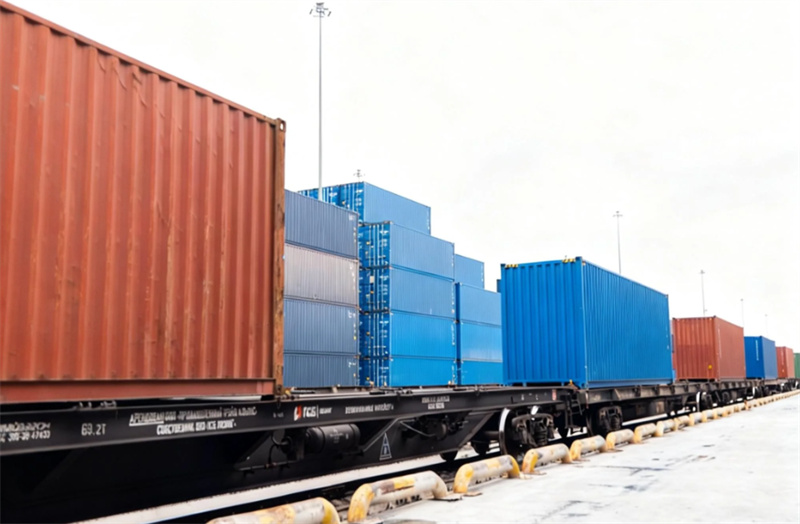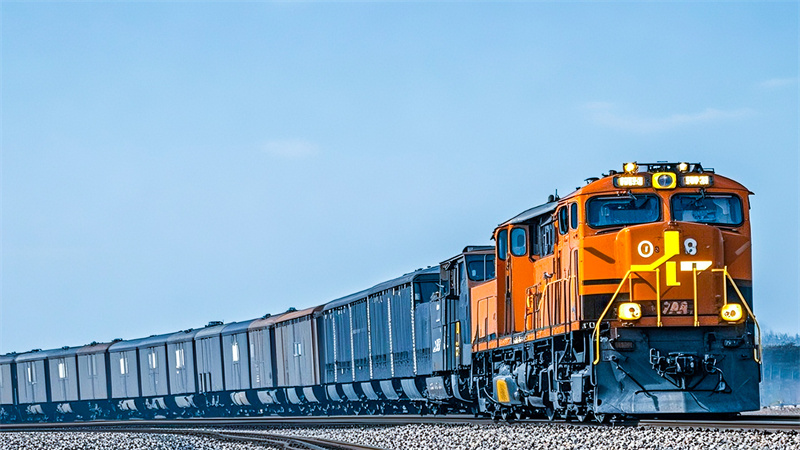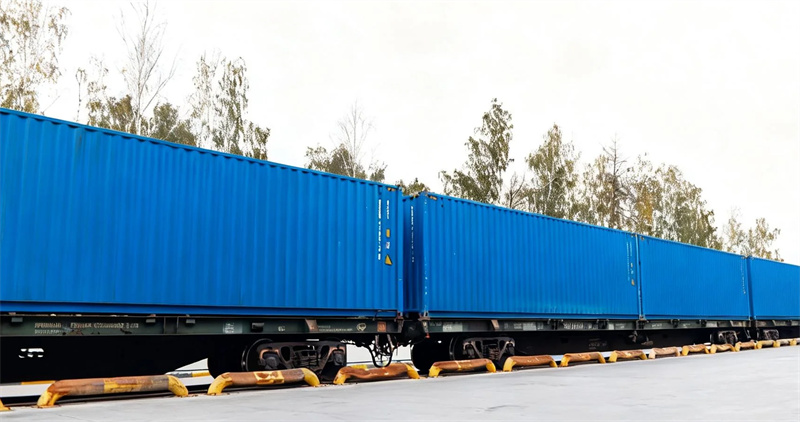



As an important market for China’s foreign trade, Russia’s cargo customs clearance has become a core pain point for many enterprises in cross-border transportation due to the particularity of its policies and the rigor of its processes. Oversights in the customs clearance link may lead to cargo detention, increased additional costs, or even penalties. With years of experience in China-Russia cross-border logistics, Shanghai SBTG established an office in Russia in 2022, further forming a localized customs clearance service system. Combining practical experience, we have sorted out the core key points of customs clearance to help enterprises avoid risks.
Master Policy Barriers and Accurately Meet Customs Clearance Requirements
Russia’s customs clearance policies have clear definitions for different categories of goods, which is the basic premise for customs clearance. For industrial equipment, electronic products, etc., it is necessary to confirm in advance whether they belong to the “technically controlled category”—such goods require additional provision of Russian Federation standard certification documents; for consumer goods such as clothing and daily necessities, attention should be paid to label compliance, and Chinese labels must be simultaneously translated into Russian with production information indicated. Relying on its local Russian team, SBTG can synchronize the latest policy dynamics in real time, verify access standards in advance according to the type of goods, and avoid customs clearance delays caused by policy misjudgment.
Complete Document System to Lay a Solid Foundation for Customs Clearance
Complete and standardized documents are the core guarantee for smooth customs clearance. Missing or incorrect documents will prolong the customs clearance cycle. Basic documents need to include commercial invoices, packing lists, and bills of lading, and the information in the three must be completely consistent—especially key data such as goods name, quantity, and value must be accurately corresponding; special goods such as medical equipment require supplementary industry license documents, and chemical products need to provide non-dangerous goods inspection reports. SBTG will arrange special personnel to review documents, optimize content expression according to the focus of Russian customs, ensure documents meet declaration requirements, and reduce disputes from the source.
Local Resource Support to Resolve Customs Clearance Difficulties
In the Russian customs process, the participation of local service resources can effectively improve efficiency. When encountering customs inspections, local agents familiar with the process can quickly connect with inspection officials and clearly convey goods information; if there are classification disputes, professional explanations can be provided by relying on the local legal team to avoid penalties caused by poor communication. SBTG has cooperative institutions in Moscow and St. Petersburg, which can provide immediate support in links such as inspections and dispute resolution. At the same time, relying on the trust accumulated through long-term cooperation, it provides invisible guarantee for cargo customs clearance.
Full-Process Control to Ensure a Closed Loop of Customs Clearance
Customs clearance is not an isolated link and needs to be linked with transportation and warehousing. SBTG advances customs clearance planning, completing policy verification and document preparation before the goods are shipped; during transportation, the real-time location of goods is synchronized through an independent logistics system, and the customs clearance process is initiated immediately after arriving at Russian ports; after customs clearance, it connects with local truck transportation to achieve seamless connection of “customs clearance – delivery”. The team is equipped with Chinese-Russian bilingual customer service to feedback progress to enterprises throughout the process, allowing enterprises to have a clear understanding of the customs clearance status.
The core of Russian cargo customs clearance lies in “advance planning, detail control, and resource support”. With 20 years of cross-border logistics experience, a local Russian service network, and professional document processing capabilities, SBTG has solved customs clearance problems for many enterprises. From policy interpretation to document review, from customs connection to subsequent delivery, it forms a full-chain service system, becoming a reliable customs clearance partner for foreign trade enterprises to develop the Russian market.