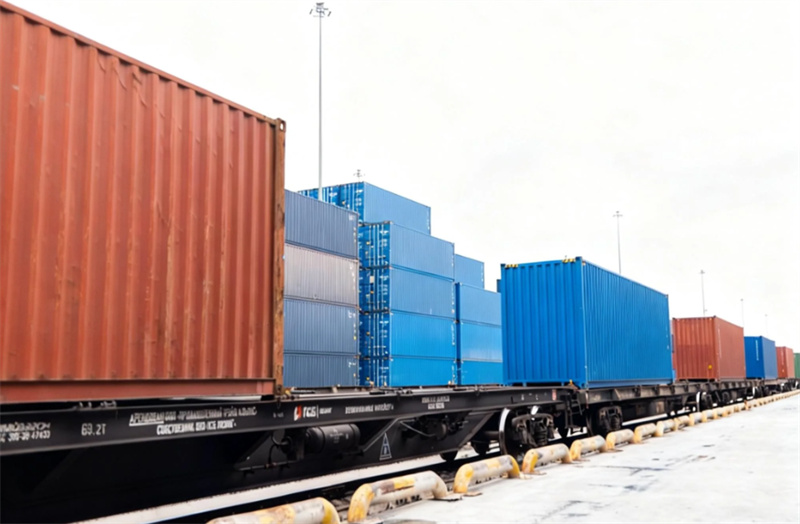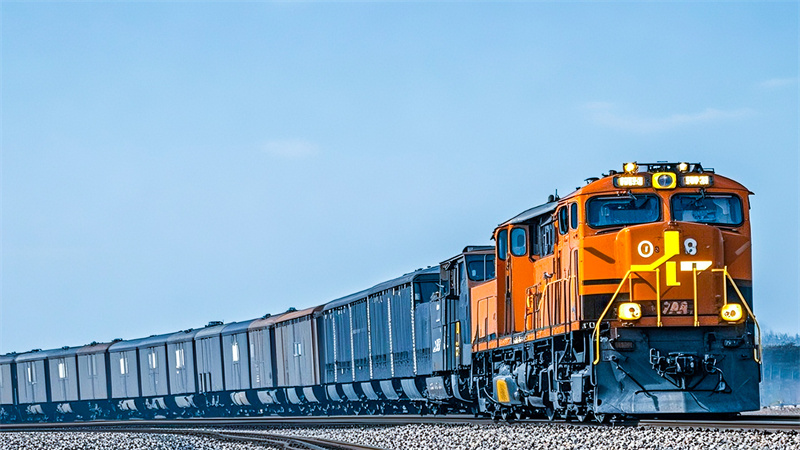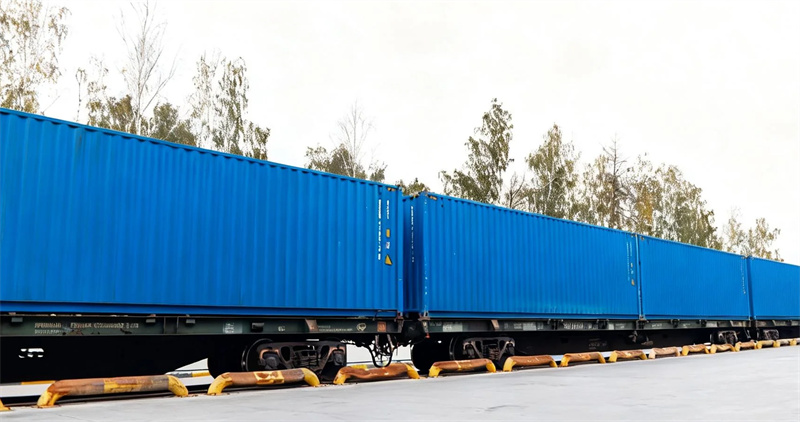



In 2026, China-Russia cross-border trade has entered a new stage of efficient advancement, and freight timeliness directly determines the quality of enterprise order delivery and overseas market competitiveness. Currently, in the field of freight from China to Russia, timeliness delays remain a core problem plaguing most enterprises. Affected by multiple factors such as upgraded Russian customs inspections, route congestion, insufficient capacity adaptation, and disjointed link connections, many enterprises frequently encounter problems such as cargo detention at ports, transit stagnation, and delayed terminal delivery, which not only lead to order breaches and compensation losses but also affect the accumulation of enterprise overseas reputation. Combining the 2026 Russian customs new regulations and TIR Convention requirements, Shanghai SBTG has launched an exclusive timeliness optimization plan, solving the delay problem through full-chain professional control, helping enterprises achieve controllable timeliness and smooth delivery of freight from China to Russia.
I. Core Causes of Timeliness Delays in Freight from China to Russia: Four Key Bottlenecks
Customs Clearance Bottleneck: Document review errors and lack of certification lead to customs clearance obstacles; failure to enjoy AEO certification customs clearance convenience results in excessively long inspection cycles; failure to adapt to new electronic declaration regulations in a timely manner, irregular document submission, and repeated supplementary materials significantly prolong customs clearance timeliness.
Capacity Adaptation Bottleneck: Failure to select suitable capacity according to cargo volume, category, and timeliness requirements, leading to cargo backlogs due to capacity shortages during peak seasons; road transportation fails to adapt to new TIR regulations, railway transportation fails to complete SMGS waybill pre-review in advance, resulting in disjointed capacity scheduling.
Route Planning Bottleneck: Failure to dynamically track road conditions and meteorological conditions of freight routes from China to Russia, unable to adjust in time when fixed routes encounter congestion and ice and snow closure; no exclusive direct routes planned for transit to remote areas, relying on multi-level transit, prolonging the transit cycle.
Link Connection Bottleneck: Lack of unified control over links such as goods preparation, declaration, transportation, customs clearance, and transit, with no information sharing; capacity not in place in a timely manner after goods preparation, and transit not started quickly after customs clearance, resulting in gaps in intermediate connections.
II. SBTG’s Exclusive Timeliness Optimization Plan: Accurate Breakthrough in Four Dimensions
Customs Clearance Timeliness Optimization: Relying on the advantages of China-Russia AEO Advanced Certification, enjoy benefits such as Russian customs review priority and reduced inspection rates, compressing the customs clearance review cycle below the industry average; implement a three-document review system, pre-review documents and verify the validity of EAC certification, standardize the electronic declaration process, ensuring that documents pass the review at one time and avoiding repeated supplementary materials; special personnel connect with Russian customs throughout the process, promptly respond to inspection needs, prepare inspection supplementary materials in advance, and shorten the inspection cycle.
Capacity Scheduling Optimization: Integrate diversified compliant capacity from China to Russia, connecting high-quality flights directly from Shanghai ports to Moscow and St. Petersburg, fixed shipping space of China-Europe Railway Express, and compliant trucking resources adapting to new TIR regulations. All transport vehicles have obtained the “Certificate for Road Transport Vehicles Carrying Customs Sealed Goods”; establish a peak season capacity reserve mechanism, lock capacity resources in advance to avoid peak season backlogs; accurately match the optimal capacity plan according to cargo volume and timeliness requirements, achieving efficient and controllable capacity scheduling.
Route Planning Optimization: Rely on digital scheduling systems to real-time track road conditions, meteorological conditions, and port traffic of freight routes from China to Russia, dynamically optimize transit routes, avoiding congestion nodes, high-risk ice and snow sections, and high-inspection-frequency ports; build a global direct transit network of “port – core city – remote area”, establishing directly affiliated distribution centers in Moscow and St. Petersburg, and launching exclusive direct routes for remote areas to reduce transit links and shorten transit timeliness; connect with new channels such as the Arctic sea route and Tongjiang Bridge to expand timeliness optimization paths.
Full-Chain Connection Optimization: Implement full-chain integrated control of freight from China to Russia, establish a special service team, connecting all links of goods preparation, declaration, transportation, customs clearance, and transit throughout the process, synchronizing the progress of each node in advance to eliminate connection gaps; pre-plan capacity and customs clearance processes during the goods preparation stage to realize immediate shipment after goods preparation; initiate inland transit within 1 hour after customs clearance is completed, and quickly complete cargo sorting and delivery relying on local distribution centers to achieve seamless connection of all links.
III. SBTG’s Timeliness Guarantee: Professional Strength to Build a Timeliness Defense Line
Qualification and Team Support: Obtains China-Russia AEO Advanced Certification, completes registration with the Federal Customs Service of the Russian Federation, and has complete compliant freight qualifications for all categories; establishes a special team composed of customs clearance experts, capacity planners, and transit specialists, with 20 years of industry experience, accurately grasping key nodes of timeliness optimization.
Digital Control Support: Rely on digital systems to realize real-time visualization of cargo trajectory, customs clearance progress, and transit status. Enterprises can query cargo dynamics at any time, predict delay risks in advance, and adjust delivery plans in a timely manner.
Emergency Disposal Support: Establish directly affiliated emergency teams at core China-Russia ports and distribution centers. In case of sudden situations such as sudden road condition changes, abnormal inspections, and capacity fluctuations, quickly arrive at the scene to coordinate and solve problems, minimizing losses caused by timeliness delays; establish a timeliness delay emergency plan, quickly activate backup capacity and routes, and ensure the smooth progress of freight.
The core of freight timeliness from China to Russia lies in full-chain efficient control and accurate optimization, and professional plans and full-process escort are the keys to solving the delay problem.