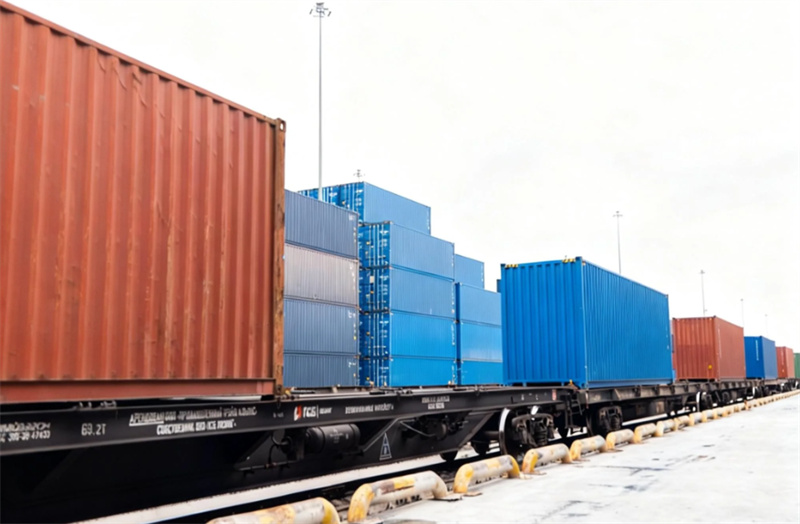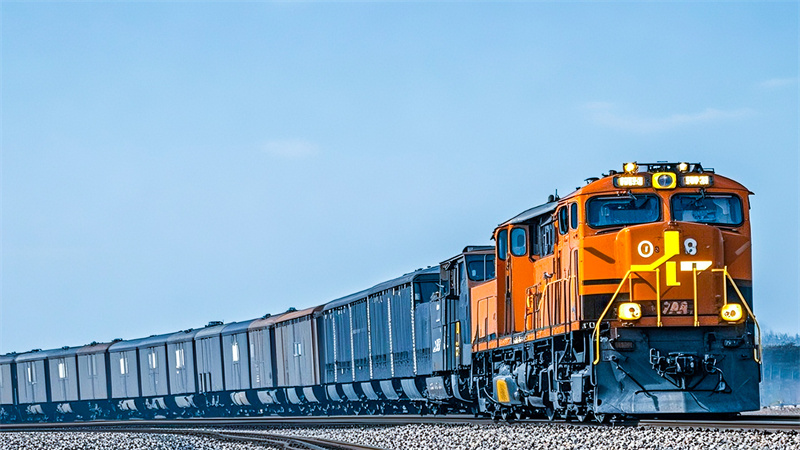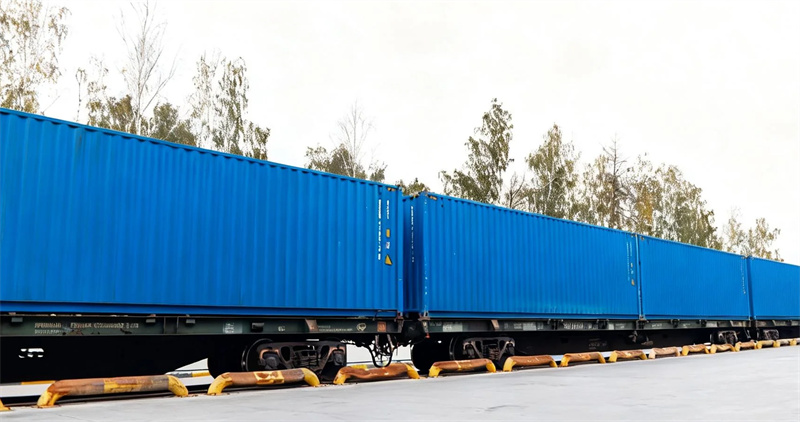



As the most mainstream transport carrier for Russia-bound trade, the efficiency and cost control of container inland transit directly determine enterprises’ trade profits and market competitiveness. In 2026, container inland transit in Russia faces multiple challenges: the gradual implementation of mandatory specifications for electronic freight documents, continuous increase in customs inspection intensity, rising port detention fees due to container accumulation at some ports, coupled with tight capacity resources and route congestion. Many enterprises have fallen into the dilemma of “delays for cost savings and overspending for timeliness guarantees”.
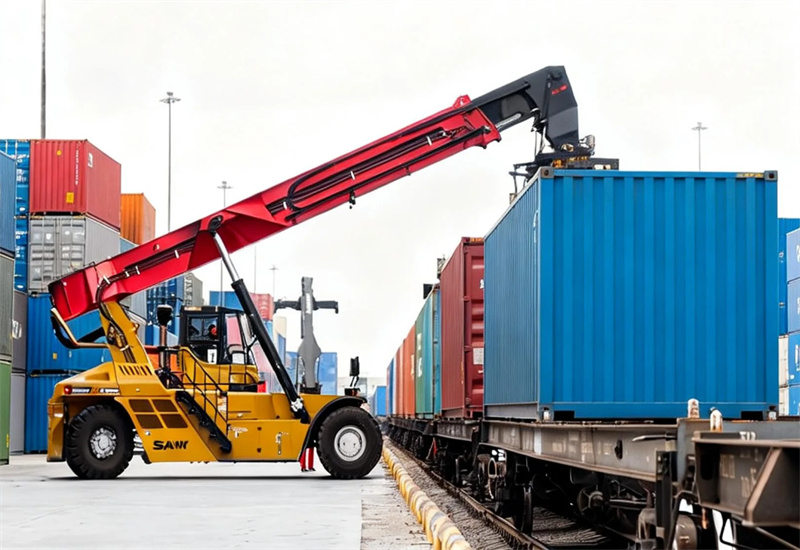
I. Core Dilemmas of Container Inland Transit in Russia: Difficulty Balancing Cost Savings and Timeliness
Mistakes in Cost Control: Some enterprises blindly choose low-cost capacity, leading to a sharp increase in container damage and loss risks, with subsequent compensation costs far exceeding the saved amount; failure to reasonably plan container loading volume results in high empty container rates and high unit cargo transport costs; ignoring policy specifications leads to additional fines and port detention fees due to non-compliant electronic documents and declaration errors.
Obstacles to Timeliness Guarantee: Russian customs inspection processes are cumbersome. Some enterprises experience long-term detention of containers after port arrival due to disconnected customs clearance and transit; failure to adapt to new TIR transport regulations, unreasonable capacity allocation and route congestion lead to significantly extended transit cycles; lack of local node support results in redundant container distribution and transshipment links, further delaying timeliness.
Insufficient Policy Adaptation Capacity: Russia’s mandatory specifications for electronic freight documents are gradually advancing in 2026 and will be fully effective in September. Some enterprises face transit obstacles due to failure to submit electronic documents as required and complete employment notification submission on the Goslog platform; insufficient understanding of new TIR transport regulations prevents them from enjoying relevant customs clearance convenience and missing timeliness optimization opportunities.
II. Core Cost-Saving Techniques: Accurate Cost Control in Three Dimensions to Eliminate Additional Expenses
Optimize Container Loading and Scheduling: Relying on a professional calculation team, SBTG accurately plans container loading schemes according to cargo size and weight, improving loading rates and reducing empty container transport costs; integrates enterprises’ freight needs, implementing flexible LCL and FCL deployment models; locks fixed capacity agreements for long-term cooperative customers, stabilizing transport unit prices and avoiding cost increases caused by capacity fluctuations.
Avoid Hidden Costs: Strictly follow Russian electronic freight document specifications, complete document review in advance, and implement a three-document review system to avoid fines for non-compliant documents; communicate with Russian customs in advance, truthfully declare cargo value, and retain supporting materials such as purchase contracts and payment receipts to avoid additional expenses caused by inspections triggered by false declarations; reasonably plan transit time, avoiding peak freight seasons to reduce port detention fees and warehousing fees.
Reduce Costs Through Policies and Resources: Leverage the “TIR + bonded” operation model expanded by new TIR transport regulations to optimize the transit process of bonded container goods and reduce intermediate link costs; relying on scale advantages, SBTG integrates global capacity and port resources, establishing long-term cooperation with mainstream Chinese and Russian railways and airlines to obtain preferential capacity prices, and simultaneously converting resource advantages into cost advantages to reduce transit costs for enterprises.
III. Key Measures for Timeliness Guarantee: Four Links to Build a Timeliness Defense Line
Seamless Connection Between Customs Clearance and Transit: As a professional customs clearance freight forwarder, SBTG has completed registration with the Russian Federal Customs Service and obtained China-Russia AEO Advanced Certification. It can complete pre-review of container customs clearance materials in advance, realizing synchronous scheduling of customs clearance and transit. Containers can be picked up within 4 hours after port arrival, eliminating port detention.
Accurate Matching of Compliant Capacity: Integrate compliant container transit capacity in Russia. All vehicles have obtained the “Certificate for Road Transport Vehicles Carrying Customs Sealed Goods”, adapting to new TIR transport regulations; flexibly deploy multi-mode capacity such as railway and highway according to container categories and timeliness needs, opening direct special lines to reduce transshipment links.
Policy and Route Optimization: Arrange a special team to track changes in Russian container transit policies in real time, promptly adapting to the latest requirements such as electronic freight documents and Goslog platform registration to ensure full-process compliant transit; rely on digital scheduling systems to analyze route congestion in real time, dynamically optimizing transit routes to avoid congestion nodes and high-inspection-frequency sections.
Efficient Control of Local Nodes: Establish directly affiliated container distribution centers in Moscow, Saint Petersburg and core ports to achieve rapid container sorting and transit, avoiding delays due to third-party transshipment; equip professional operation teams to track container transit trajectories throughout the process and promptly handle various abnormal situations to ensure smooth transit.
IV. SBTG’s Exclusive Support: Implementation of Dual Guarantee Techniques for Worry-Free Whole Process
Empowerment by Professional Teams: Establish a special team composed of customs clearance experts and capacity planners to provide one-on-one guidance for enterprises, assisting them in implementing dual guarantee techniques for cost savings and timeliness, and tailoring container transit plans.
Risk Undertaking Guarantee: Introduce exclusive insurance for container transit, covering core risks such as cargo damage, loss and timeliness delays, with claim review initiated within 24 hours to reduce enterprises’ economic losses; implement a system of publicizing cost lists in advance to eliminate hidden charges and ensure transparent and controllable cost control.
The core of container inland transit in Russia lies in balancing costs and timeliness, with professional techniques and compliant support being the key. Shanghai SBTG deeply integrates 20 years of experience as a Russia-bound customs clearance freight forwarder with the latest supervision policies and capacity resources. The summarized dual guarantee techniques not only meet enterprises’ cost-saving needs but also build a timeliness defense line. In the future, SBTG will continue to upgrade digital control capabilities, deepen capacity and port resource integration, and optimize dual guarantee techniques to help enterprises achieve better costs and more stable timeliness for container inland transit in Russia. Choosing SBTG, enterprises no longer have to choose between cost savings and timeliness, easily realizing dual guarantees and building a solid logistics foundation for Russia-bound trade.