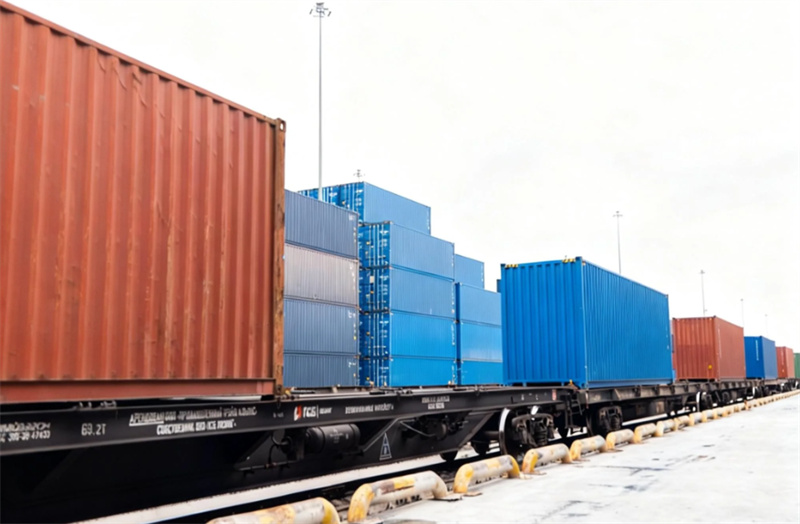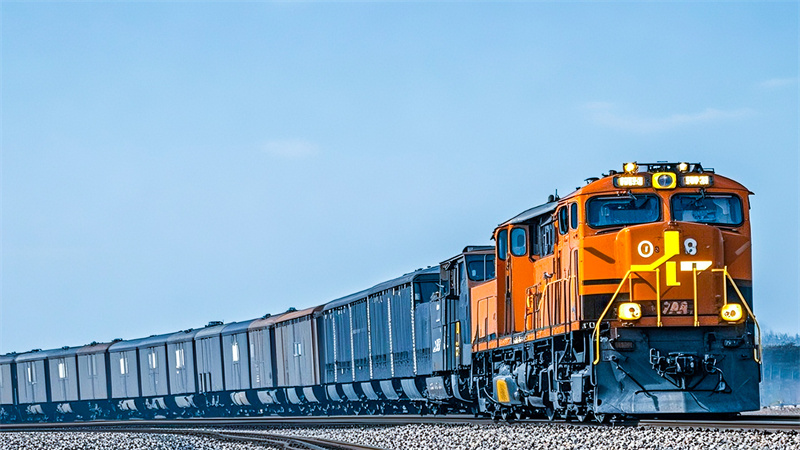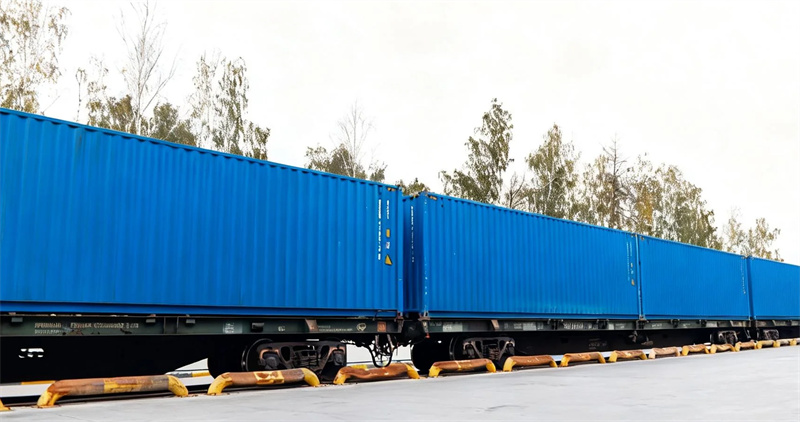



As a core hub for China-Russia-Europe trade, the Russia-Kazakhstan border bears a large number of cross-border cargo transit needs. Since 2026, affected by multiple factors such as once-in-a-century extreme cold and heavy snow weather, upgraded port inspections, and a surge in westbound cargo flow, the congestion problem has continued to worsen. Nearly 10,000 trucks were stranded on sections near Lake Baikal, and the queuing time for trucks at some ports exceeded 24 hours. Coupled with factors such as Russia’s VAT increase and insufficient railway maintenance funds, many enterprises’ goods were stranded at the border, incurring high port detention fees and warehousing fees, and missing order delivery windows due to time delays. As a professional enterprise with 20 years of experience in China-Russia international logistics, Shanghai SBTG accurately identifies the core causes of border congestion. Relying on global route resources and policy interpretation capabilities, it has summarized a set of actionable detour techniques. Combined with compliant operations and intelligent scheduling, it effectively shortens transit time, providing strong support for enterprises to solve the border congestion dilemma.
I. Core Causes of Russia-Kazakhstan Border Congestion: Three Factors Leading to Traffic Obstacles
Impact of Extreme Weather: In mid-to-late January 2026, central and western Russia encountered the strongest snowfall and extreme cold weather in 146 years, with temperatures dropping to -30℃ to -40℃. Key sections such as Krasnoyarsk-Novosibirsk were paralyzed multiple times, and heavy vehicles were buried in snow, directly leading to transit suspension.
Upgraded Port Supervision: Both Russia and Kazakhstan have strengthened border inspection efforts. The frequency of repeated inspections at some ports has increased, and the random inspection rate has risen. At the same time, although core ports such as Nur-Sultan-Horgos continue to operate 24 hours a day, their capacity is nearly saturated, resulting in reduced customs clearance efficiency.
Imbalance Between Cargo Flow and Capacity: Westbound cargo flow continues to surge, but the construction of some railway double tracks at the Russia-Kazakhstan border has not been completed, and the automatic transshipment capacity is insufficient. Coupled with the shortage of special capacity resources, cargo flow has accumulated, forming a long-term congestion situation.
II. Exclusive Detour Techniques: Four Paths to Accurately Avoid Congestion and Shorten Transit Time
Detour by Switching Ports: Avoid severely congested westbound ports and prioritize upgraded ports such as Alashankou and Horgos. Relying on Alashankou’s “port + hinterland” linkage model, goods can be loaded and subject to customs supervision at hinterland stations such as Jinghe Station. After arriving at the port, there is no need for transshipment and marshalling, and exit procedures can be directly handled, significantly shortening customs clearance time. SBTG has established in-depth cooperation with the above ports to ensure fast customs clearance of goods.
Detour by Route Optimization: Abandon traditional congested westbound routes and prioritize alternative channels such as the Trans-Caspian International Transport Corridor and the Dostyk-Moint Railway double track. Such routes rely on Russia-Kazakhstan logistics coordination policies, achieving significant cargo flow diversion effects. At the same time, leveraging the automatic transshipment advantages of the “Horgos-Eastern Gate” dry port, it improves transit efficiency, shortening the time by 3-5 days compared with traditional routes.
Transportation Mode Adaptation: Choose the appropriate transportation mode according to cargo volume and category. For small and medium-sized batches of goods, prioritize TIR trucking special lines. Relying on the “full load both ways” model, it avoids border congestion nodes and can directly reach core cities such as Moscow in 10 days. The overall time is shortened by more than 20% compared with traditional trucking. SBTG integrates TIR compliant capacity, realizing regular weekly departures to ensure stable capacity.
Detour by Advance Planning: Communicate with customs supervision departments of both Russia and Kazakhstan in advance to grasp the latest customs clearance policies and inspection requirements. Complete customs declaration documents in advance and implement a three-document review system to avoid secondary inspections due to inconsistent documents. Use digital systems to track border road conditions and port congestion in real time, dynamically adjust detour routes, and avoid high-risk ice and snow areas and congested sections.
III. SBTG’s Exclusive Guarantees: Full-Chain Support to Ensure Detour Time Effectiveness
Qualification and Policy Support: SBTG has completed registration with the Russian Federal Customs Service and obtained China-Russia AEO Advanced Certification. It is familiar with Russia-Kazakhstan border customs clearance policies and detour route supervision requirements. It can assist enterprises in handling various transit permits in advance to ensure compliant and smooth detour processes and avoid policy risks.
Global Capacity Guarantee: Integrate compliant capacity resources at and around the Russia-Kazakhstan border, covering multiple modes such as railway, highway, and multimodal transport. It has established long-term cooperation with ports and dry ports such as Alashankou and Horgos to ensure sufficient capacity on detour routes, without relying on third-party transshipment, shortening time from the resource end.
Intelligent Scheduling and Emergency Response: Rely on independently developed digital scheduling systems to analyze border road conditions, port congestion and meteorological conditions in real time, accurately plan detour routes, and dynamically adjust transportation plans. Establish directly affiliated teams at core nodes such as Moscow and Novosibirsk. In case of sudden congestion or road condition changes, initiate emergency adjustments within 1 hour to ensure uninterrupted transit.
Cost and Time Control: Implement a system of publicizing detour cost lists in advance to eliminate hidden charges. Reduce additional detour costs through economies of scale and route optimization. Assign exclusive logistics consultants to tailor transit plans for enterprises, adjusting capacity configuration according to cargo volume fluctuations to achieve dynamic cost optimization.
The solution to Russia-Kazakhstan border congestion lies in accurately predicting congestion causes, scientifically planning detour routes, and strictly controlling compliance details. Shanghai SBTG deeply integrates 20 years of China-Russia international logistics experience with the latest Russia-Kazakhstan border policies and route resources. The summarized exclusive detour techniques not only take into account compliance and practicality but also effectively shorten transit time. Choosing SBTG, enterprises no longer have to worry about Russia-Kazakhstan border congestion, easily realizing smooth customs clearance and controllable time, and building a solid logistics foundation for China-Russia-Europe trade.