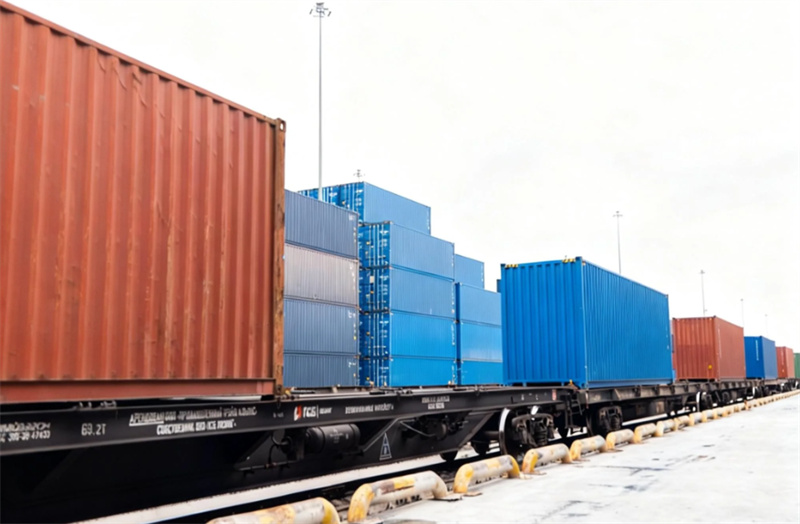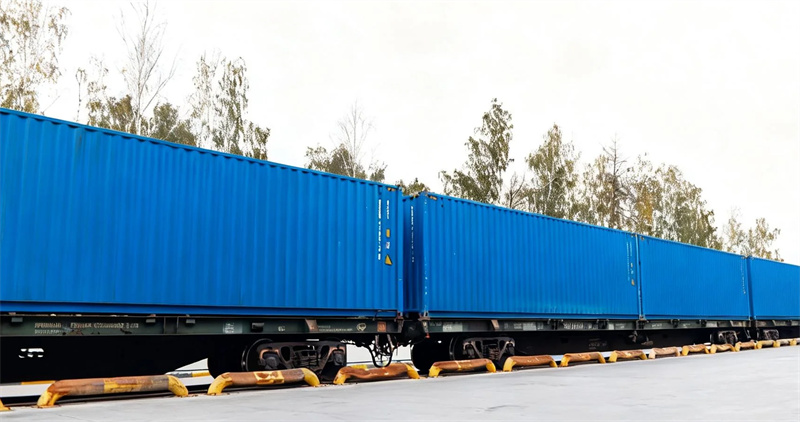



Transit from Sino-Russian border ports to Moscow is a core link in the logistics chain of trade with Russia and a key node for cost control. Russia’s inland logistics costs continue to rise, with fuel fees, warehousing fees, and service fees from intermediate links piling up, putting many enterprises under profit compression pressure. Traditional transit models often lead to increased additional costs due to unreasonable route planning, multiple transshipments, and disconnected customs clearance and transit links. Accurately grasping the cost pain points of transit from the border to Moscow, Shanghai SBTG has summarized a set of actionable cost optimization guidelines by combining the latest route resources and technical means, helping enterprises achieve controllable transit costs and stable efficiency.
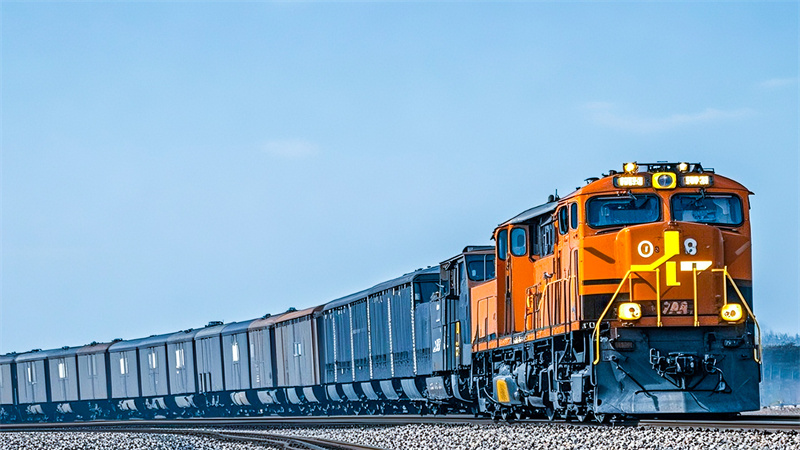
I. Core Pain Points of High Transit Costs:
Blind Route Selection: Failure to select suitable routes based on cargo volume and categories, blindly pursuing timeliness or low prices, leading to high empty running rates, accumulated additional fees, and uncontrollable costs.
Redundant Transshipment Links: Most transporters lack direct resources, and goods need to go through 2-3 transshipments to reach Moscow. Each additional transshipment incurs sorting fees, warehousing fees, and time costs.
Disconnected Customs Clearance and Transit: After customs clearance, goods are detained at ports for a long time waiting for transit, incurring high port detention fees; transit vehicles cannot pick up containers in a timely manner due to inconsistent documents after arrival, further increasing costs.
Improper Packaging and Sorting: Unreasonable selection of packaging materials leads to cargo damage and compensation costs; failure to sort goods according to Moscow terminal needs results in additional secondary sorting fees after arrival.
II. Core Cost Optimization Guidelines:
Accurately Select Direct Routes: Choose exclusive routes based on cargo volume. For full-container goods, prioritize direct railway or highway special lines from core ports such as Suifenhe and Manzhouli to Moscow to reduce transshipment links; for small-batch goods, adopt the LCL special line model to reduce unit costs through economies of scale. SBTG integrates direct transportation capacity resources from the border to Moscow, covering multiple routes such as railway and highway, matching the optimal solution as needed.
Pre-Positioned Warehousing and Packaging Optimization: Set up pre-positioned sorting centers at border ports to complete cargo sorting in advance according to different regions and customer needs in Moscow, avoiding secondary sorting after arrival; use lightweight and high-strength packaging materials to control packaging volume and weight, avoiding additional fees for large goods. SBTG provides port sorting and packaging optimization services to reduce subsequent costs from the source.
Connect Customs Clearance and Transit Links: Complete pre-review of customs clearance materials in advance to ensure completeness and consistency of customs clearance documents; synchronize customs clearance and transit scheduling, and initiate transit within 12 hours after customs clearance is completed to avoid port detention. SBTG’s system seamlessly connects with Russia’s customs system to achieve real-time synchronization of customs clearance progress, scheduling transit vehicles in advance to realize seamless connection between customs clearance and transit.
Intelligent Scheduling for Cost Reduction: Use digital systems to predict cargo flow and road conditions, dynamically optimize transit routes, and avoid congested sections and high-risk areas; lock long-term transportation capacity agreements for high-frequency transportation needs to stabilize transportation costs. SBTG independently developed an intelligent scheduling system that adjusts transportation plans based on real-time data to reduce empty running and delay costs.
III. SBTG’s Exclusive Solutions:
Qualification and Resource Support: SBTG has completed registration with Russia’s Federal Customs Service and qualification review for inland transit, forming a closed-loop network with border ports and directly affiliated transit centers in Moscow. It has stable direct transportation capacity without relying on third-party transshipments, reducing costs from the resource end.
Warehousing Layout for Cost Reduction: Set up pre-positioned warehouses at border ports such as Suifenhe and establish directly affiliated transit centers in Moscow to achieve full-chain control of “border sorting – direct transportation – Moscow delivery”. Through pre-positioned goods and nearby sorting, shorten the terminal delivery distance and reduce last-mile costs.
Transparent Cost Control: Implement a system of publicizing cost lists in advance, clearly marking various expenses such as transportation fees, sorting fees, and warehousing fees, eliminating hidden charges. Assign exclusive cost consultants to tailor transit solutions for enterprises, adjusting transportation capacity configuration according to cargo volume fluctuations to achieve dynamic cost optimization.
Risk Undertaking to Reduce Losses: Introduce exclusive transit insurance plans covering risks such as cargo damage and delays, with claim review initiated within 24 hours to avoid expansion of unexpected losses. The directly affiliated team in Moscow has rich experience in anomaly handling, responding quickly to emergencies to reduce additional costs.
The core of cost optimization for transit from the border to Moscow lies in accurate route matching, reduction of redundant links, and seamless connection between customs clearance and transit. Shanghai SBTG will transform cost optimization guidelines into practical service capabilities, providing enterprises with cost-effective transit solutions to further reduce transit costs. By choosing SBTG, enterprises no longer have to worry about transit costs from the border to Moscow, easily realizing controllable logistics costs and increased trade profits, and building a solid logistics cost defense line for trade with Russia.