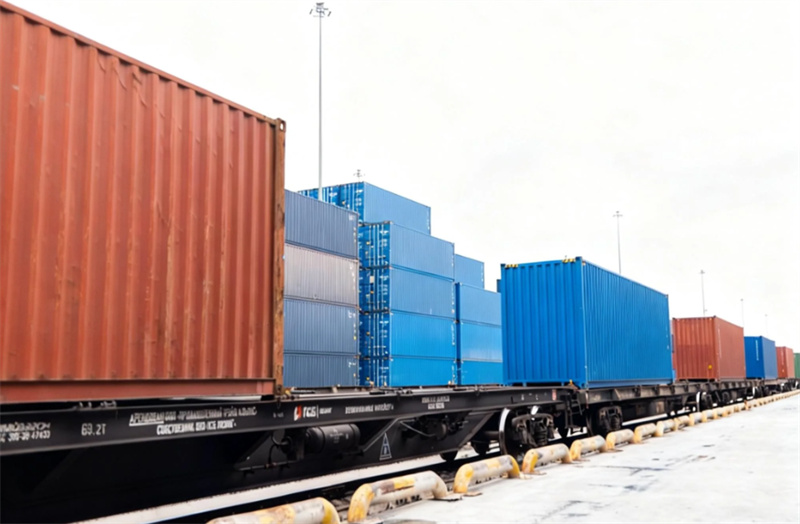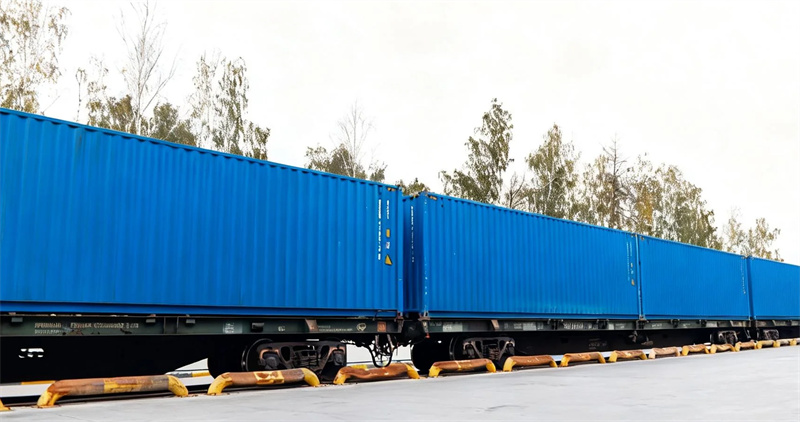



Against the backdrop of booming cross-border trade in China, the demand for small-batch shipping of various goods—including industrial parts, consumer goods, and electronic accessories—has been on the rise. SBTG has identified market pain points and, leveraging the diversity of Chinese goods, launched flexible and efficient Less than Container Load (LCL) shipping services. By integrating cargo sources, implementing scientific classification, and ensuring seamless end-to-end connectivity, SBTG reduces transportation costs and improves shipping efficiency for small and medium-sized shippers. It has stood out in the field of LCL shipping of Chinese goods, becoming a key logistics pillar for Chinese products to enter the global market.

SBTG’s LCL service for Chinese goods addresses cost challenges through core cargo integration. Many small and medium-sized shippers face the dilemma of “small cargo volume and high costs for individual shipping”—industrial parts often fall short of a full container, while consumer goods come in multiple batches with limited quantities per batch. Booking individual containers not only incurs high freight fees but also additional costs such as dead freight. Relying on its logistics network, SBTG proactively integrates scattered cargo flows, consolidating goods bound for the same destination with similar transportation time requirements into LCL shipments.
Scientific cargo classification for LCL shipping balances safety and transportation efficiency. Goods vary greatly in characteristics, and improper mixing can easily cause damage or delays. To address this, the company has established strict cargo classification standards: crash-resistant goods like industrial parts and electronic accessories are grouped together and loaded neatly on standard pallets; fragile consumer goods and precision components are separated into dedicated zones with buffer foam and anti-static packaging; temperature-sensitive goods are shipped in temperature-controlled containers via LCL arrangements. Meanwhile, goods are classified based on customs clearance requirements—products requiring special certifications (such as electronic accessories with batteries) are marked separately, and compliant documents are prepared in advance to avoid customs clearance delays caused by mixed product categories.

With its Shanghai operation center as the hub, SBTG achieves seamless end-to-end cargo connectivity. Serving as the core operational hub, the Shanghai center undertakes overall management and control. Shippers do not need to handle multiple links independently; the SBTG team completes cargo counting, packaging reinforcement, and loading operations in the warehouse according to LCL plans. Subsequent transportation to ports or stations is arranged uniformly, ensuring efficient flow of goods from factories to shipping terminals.
From reducing costs through cargo integration, ensuring safety via classified LCL shipping, to improving efficiency with seamless connectivity, SBTG’s LCL shipping service for Chinese goods aligns with the needs of small and medium-sized shippers in China. In the future, SBTG will continue to optimize its source network and operational processes, building channels for more Chinese goods to go global conveniently and supporting the sustained development of cross-border trade.