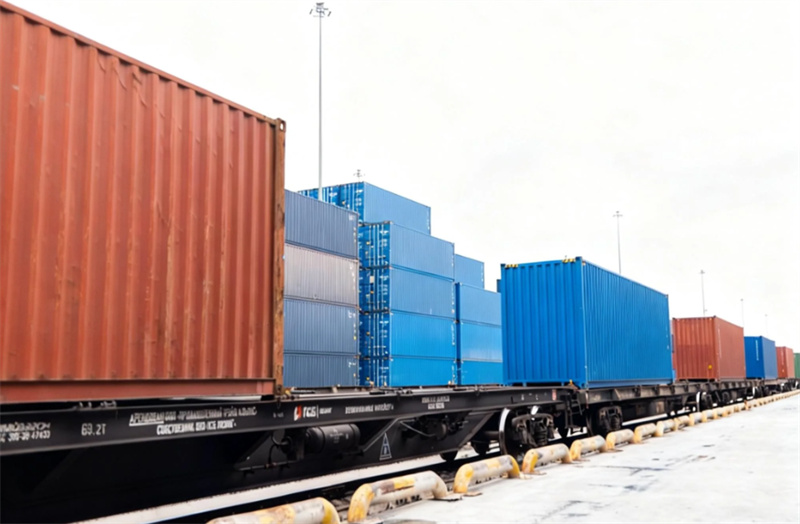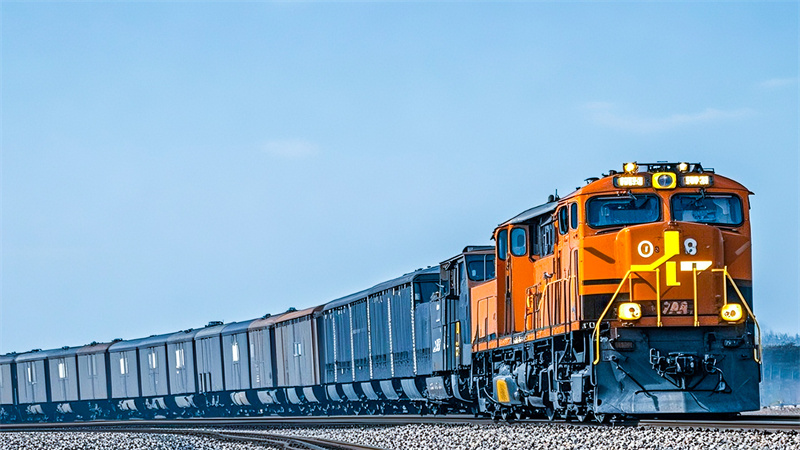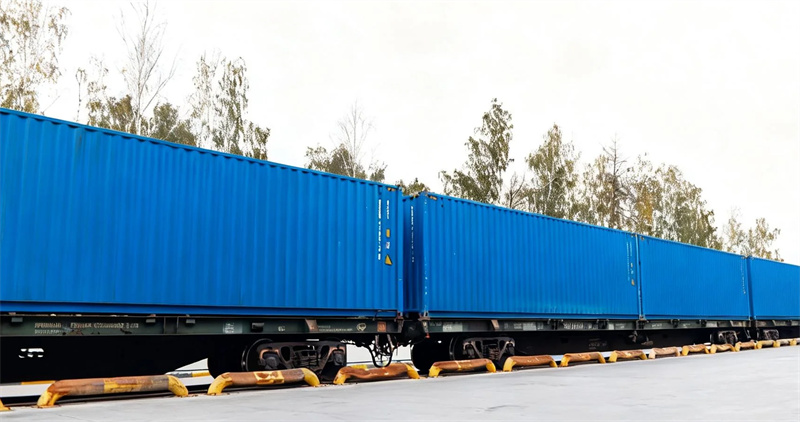



As the scale of China-Russia trade continues to expand, enterprises exporting to Russia are generally constrained by customs clearance difficulties: frequent policy changes lead to compliance pitfalls, strict category restrictions cause cargo detention, congestion at the Russia-Kazakhstan border results in cost, and there is even the risk of penalties due to the crackdown on grey customs clearance. The implementation of new policies such as the new regulations on domestic labeling of imported alcohol and the requirements for household appliance refrigerant licenses has further raised the professional threshold for customs clearance. As a Shanghai international logistics company with 20 years of deep experience in Russia-bound freight, Shanghai SBTG (Bixi Trading) accurately disassembles the core pain points of customs clearance and builds a full-process solution based on professional capabilities, helping enterprises unblock the bottlenecks in customs clearance for exports to Russia.
I. Pain Point Disassembly: Four Core Difficulties in Customs Clearance to Russia
Rapid Policy Iteration and Adaptation Difficulties: Russian customs policies are continuously tightening. The 2025 Russia-Kazakhstan temporary cargo import policy, the new regulations on domestic labeling of imported alcohol implemented in September, and the requirements for household appliance refrigerant licenses that took effect in November 2024 make it difficult for enterprises to adapt quickly, often facing declaration rejection.
Strict Category Control and Blurred Boundaries: Prohibited import categories include Pu’er tea and other commodities; restricted categories involve electronic equipment with encryption functions, medical instruments, etc.; the review of symbols and logos on clothing products is strict. Some enterprises have their goods seized due to omissions in category screening.
Complex Processes and High Risks: Customs clearance under the Customs Union requires compliance with strict transit transportation and declaration processes; incomplete documents or filling errors will trigger a 4-month storage period. Russia has strengthened the crackdown on grey imports; if the declared value does not match the actual value, enterprises need to pay additional tariffs and even bear legal responsibilities.
Node Congestion and Weak Response Capability: The Russia-Kazakhstan border has become a key control point, with frequent fleet congestion. During holidays such as the Chinese New Year, tight transportation capacity and suspension of supporting services are likely to cause supply chain disruptions, and enterprises lack effective emergency plans.
II. Precise Breakthrough: Four Professional Capabilities to Solve Customs Clearance Dilemmas
Policy Interpretation and Pre-Adaptation: Establish a real-time policy tracking and interpretation mechanism, and form a professional team to conduct in-depth research on the Customs Union’s customs clearance rules. For the new regulations on domestic labeling of alcohol, pre-plan the transition period labeling scheme in advance; for household appliances containing refrigerants such as R404A/R410A, accurately grasp the 3-4 month license processing cycle and the compliance cost of 200,000 rubles per order; simultaneously adapt to the 2025 Russia-Kazakhstan temporary cargo import policy to assist enterprises in legally enjoying the dividends of the window period.
Full-Category Refined Screening: Based on 20 years of practical experience, sort out a complete list of restricted/prohibited import categories. Establish a dual-process of “pre-screening – re-review”, clearly define the red line for prohibited transportation such as Pu’er tea, and strengthen the review of symbols and logos on clothing. For restricted categories, proactively connect with departments such as the Federal Service for Supervision of Communications, Information Technology and Mass Media of the Russian Federation to complete the handling of special permits, avoiding risks from the source.
Full-Process Standardized Control: Set up a direct customs clearance center in Moscow, implement the “three-document review + pre-declaration” system, and strictly verify documents such as commercial invoices and certificates of origin in accordance with the requirements of the Customs Union to ensure consistency between electronic and written declarations. Optimize the transit transportation process, submit documents such as TIR carnets in accordance with regulations, and ensure the smooth flow of goods from border control points to the destination customs, avoiding storage delays.
Dual Guarantee for Congestion and Emergency Response: Fix the Ussuriysk and Belarus transit channels as alternatives to cope with congestion at the Russia-Kazakhstan border. For holidays such as the Chinese New Year (January 29 – February 12), lock in shipping space in advance and coordinate with Russian partners to ensure basic services. Establish an inspection emergency mechanism, where the local team arrives at the scene within 1 hour to provide professional explanations and cooperate with customs to complete the verification.
III. Long-Term Guarantee: Building a Stable Customs Clearance Service System
Digital Empowerment for Risk Control: Build a full-chain visualized tracking system to push real-time information such as declaration progress and inspection status; introduce digital insurance services covering risks such as customs clearance delays and cargo detention, realizing online insurance application and claim settlement.
Professional Team and Resource Support: Members of the customs clearance team have more than ten years of local experience and are familiar with the Customs Union’s customs declaration processes and review standards. Adhere to the concept of long-termism and the principle of zero compromise on quality, having served more than 400 enterprises with no major customs clearance accident records.
The core of customs clearance to Russia lies in professionalism and precision. With 20 years of experience accumulation, SBTG integrates policy interpretation, category control, and process optimization into every link. We deeply understand that smooth customs clearance is the foundation for enterprises to export to Russia. In the future, we will continue to deepen policy research and service upgrades, transforming complex customs clearance processes into standardized services, so that enterprises no longer have to worry about customs clearance difficulties. SBTG is willing to become the “customs clearance guardian” for enterprises exporting to Russia with professional strength, and guard the customs clearance path of every batch of goods with stable and reliable services.