


As a Shanghai-based international logistics company with 20 years of deep experience in China-Russia freight, SBTG officially launches its upgraded full-process door-to-door service system from China to Russia. Leveraging the growth trend of China-Russia trade, our services cover multiple transportation methods including railway, air, and sea freight. We integrate core links such as customs clearance, domestic transit, and compliance review to provide integrated solutions meeting industry standards for various enterprises. With its local customs clearance team in Moscow, professional transportation equipment, and multi-channel layout, SBTG redefines the professional standards for Russia-bound export logistics services.
I. Multi-Transportation Coordination to Meet Full-Category Freight Needs
Railway Transportation System
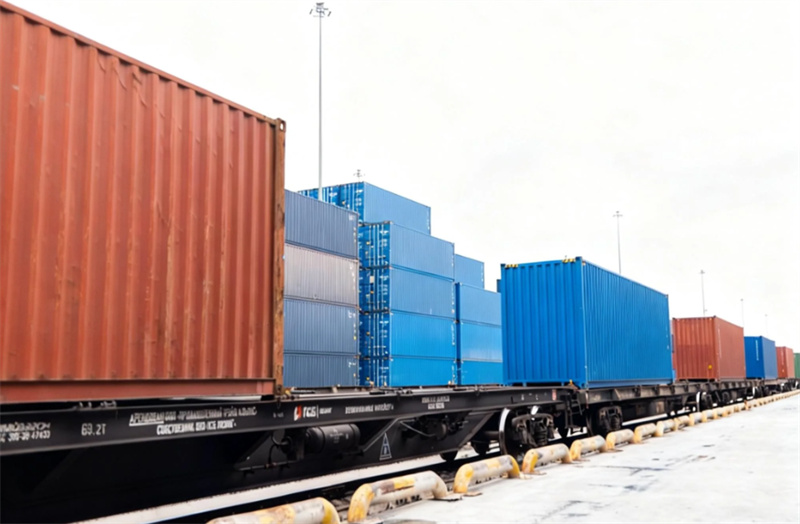
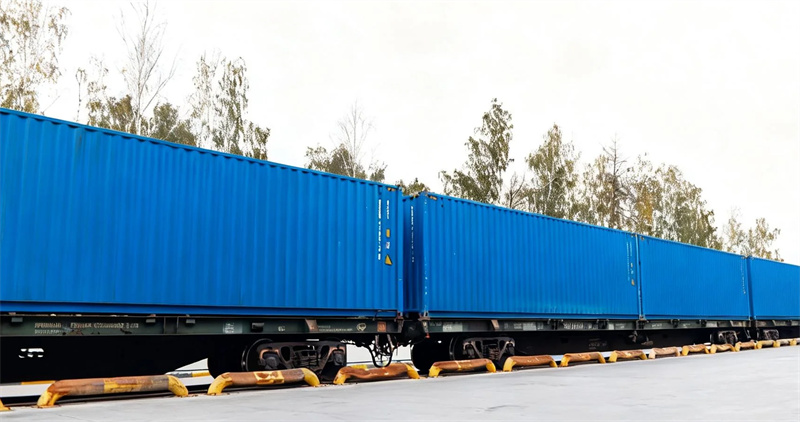
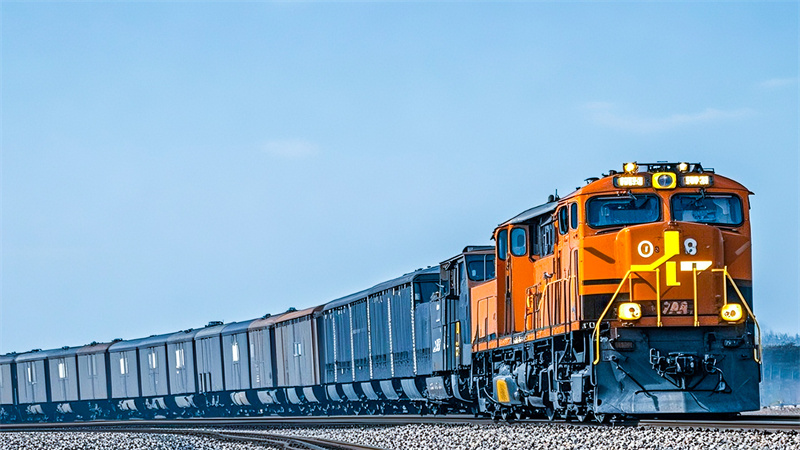
We have locked in key border crossings such as Manzhouli and Erenhot, ensuring 3-4 fixed weekly slots for China-Russia special trains. Equipped with specialized wagons including flatcars and open-top wagons, it can accommodate the transportation of large-scale equipment with a single unit weight of up to 700 tons. The transportation cycle from Manzhouli to Moscow is stable, with precise route planning based on years of operational experience.
Air and Sea Freight Support
Fixed air routes have been opened from Shanghai to Moscow and St. Petersburg, suitable for urgent goods such as precision electronic equipment and medical instruments. In the sea freight sector, we activate the year-round navigation channel at the Port of St. Petersburg. Relying on ice-class container ships, we ensure the stable transportation of bulk goods such as building materials and daily necessities, keeping the cargo damage rate at a low industry level.
Customized Transportation Schemes
For household appliances containing refrigerants such as R404A and R410A, we provide synchronized services for license processing and transportation. For over-dimensional goods such as wind power equipment and large-diameter pipelines, we deploy professional equipment like Goldhofer THP modular semi-trailers and formulate road-rail intermodal transportation plans.
II. Dual Cores of Customs Clearance and Domestic Transit to Strengthen Compliance Defense
Localized Customs Clearance Services
A customs clearance service center has been established in Moscow. Team members hold Russian proficiency certificates and customs practice certifications, and are familiar with the 2025 temporary policies of Russian customs and new rules for home appliance imports. We implement a three-level document review system, conduct advance verification of cargo categories, assist in handling special documents such as EAC certification and food hygiene certification, and avoid the risks of transporting prohibited and restricted categories.
Domestic Transit Network
Multiple distribution warehouses have been deployed in Russia. Cooperating fleets hold complete transportation licenses, covering core cities such as Moscow and St. Petersburg as well as remote areas. To address congestion at the Russia-Kazakhstan border, we have expanded transit channels through Ussuriysk and Belarus to ensure efficient cargo delivery.
Risk Control Mechanism
A policy early warning system has been established to synchronize changes in Russian customs policies in real time. A visualized tracking system is activated throughout the cargo transportation process, with node information proactively pushed. A 24-hour emergency response is initiated in case of abnormalities.
III. Standardization of the Full Door-to-Door Process, Covering Nine Core Links
Demand Connection and Scheme Design
Receive customer requirements regarding cargo volume, category, and timeliness. Formulate transportation schemes based on cargo characteristics, specifying time nodes and responsibility division for each link.
Compliance Review and Document Preparation
Verify whether the cargo belongs to restricted categories, assist in completing preliminary work such as license processing and declaration document sorting, ensuring compliance with China-Russia bilateral regulatory requirements.
On-Site Cargo Collection and Packaging Reinforcement
Provide customized packaging services according to cargo attributes. Shockproof protection measures are adopted for precision equipment, and professional reinforcement is implemented for over-dimensional goods.
Multimodal Transport Execution
Complete booking, loading onto ships or trains according to the scheme, monitor the cargo status throughout the process, and coordinate port handover matters in a timely manner.
Customs Declaration and Inspection Response
The local team leads the customs clearance process, conducts advance pre-declaration to avoid risks, and provides professional explanatory materials in case of inspections.
Domestic Transit Dispatching
Quickly connect with domestic fleets after customs clearance, and formulate the optimal delivery route according to the destination.
Terminal Delivery and Acceptance
After the cargo is delivered to the designated address, assist in completing the signing procedures and simultaneously deliver the full set of transportation and customs clearance documents.
Post-Sales Tracing and Problem Handling
Establish a complete service file, provide full-process tracing services for cargo transportation, and respond promptly to subsequent needs.
Policy Adaptation and Update
Regularly synchronize the latest compliance requirements, assist customers in adjusting transportation schemes, and ensure the stability of long-term cooperation.
SBTG has always adhered to the principle of zero compromise on quality, building core competitiveness based on professional equipment, compliant services, and a long-termism philosophy. The upgraded door-to-door service will further narrow the logistics barriers in China-Russia trade, providing reliable support for the export of various goods such as industrial equipment, home appliances, and food to Russia. In the future, SBTG will continue to optimize service details, deepen the layout of China-Russia logistics networks, and rely on 20 years of industry accumulation to create more valuable freight experiences for customers, contributing to the high-quality development of China-Russia trade.