


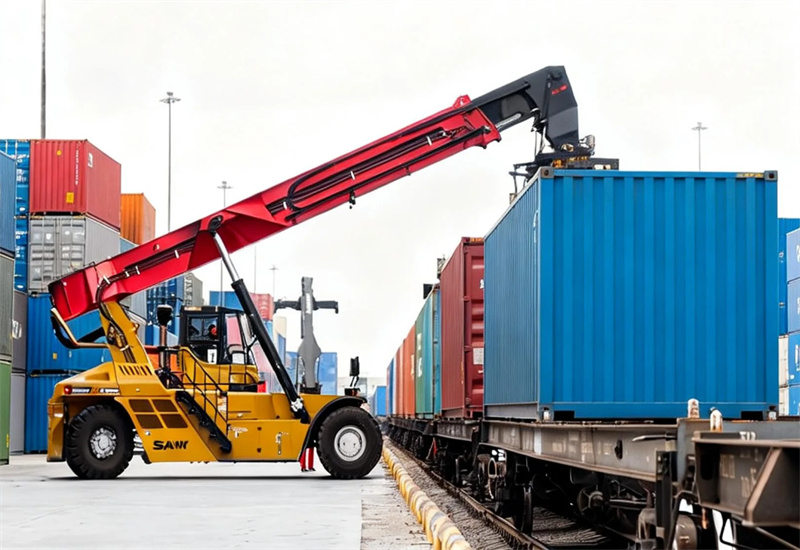
With the vigorous development of China-Russia trade, more and more enterprises are turning their attention to the Russian market. However, after the goods arrive, the customs clearance link often becomes an obstacle. Frequent policy changes, strict document requirements, and poor connection between transportation and customs clearance may all lead to cargo detention, resulting in storage fees and even customs inspections. Having been deeply engaged in China-Russia logistics for many years, Shanghai SBTG fully understands that customs clearance is not an isolated link. It needs in-depth collaboration with core transportation capacities such as railway transportation, and every detail is crucial to the success of customs clearance.
1. Policy Advance: Accurately Grasping Cargo Access Rules
The primary prerequisite for customs clearance in Russia is to thoroughly understand the policies, as there are significant differences in supervision standards for different categories of goods. Industrial equipment requires prior certification in accordance with Russian Federation standards; special equipment for the oil and gas industry involves industry permits; and special categories such as medical equipment need to pass special reviews. Ignoring these requirements will make it impossible for the goods to proceed smoothly after arriving at the port.
Relying on its local service network in Russia, SBTG synchronizes the latest customs policies in real time and provides accurate HS code classification services based on the type of goods. When undertaking a tower crane transportation project, we identified in advance the need for supplementary technical certification documents, avoiding cargo detention due to compliance issues after arrival. This approach of advancing policy interpretation is the foundation for smooth customs clearance and is also compatible with our railway transportation-based model—railway transportation has a stable cycle and requires advance planning of customs clearance matters.
2. Solid Document Foundation: Core Support for Full-Chain Connection
Documents are the “pass” for customs clearance, and any information deviation may lengthen the customs clearance cycle. Commercial invoices, packing lists, and bills of lading must indicate consistent goods names, quantities, and values, all clearly presented in Russian. Special goods require supporting exclusive documents: for example, complete factory production lines need additional assembly instructions, and over-dimensional goods require transportation permits.
We have established a professional document review team to verify information one by one in accordance with the requirements of Russian customs. In the project of a 388.49-ton liquid filling production line, the goods arrived in Russia via “railway + road” combined transportation. The team improved supporting documents such as over-dimensional transportation permits and railway waybills in advance to ensure that the documents fully matched the cargo information and transportation method. Finally, rapid customs clearance was achieved at the transit port, saving time for subsequent road delivery.
3. Coordination Between Transportation and Customs Clearance: Seamless Connection Centered on Railway
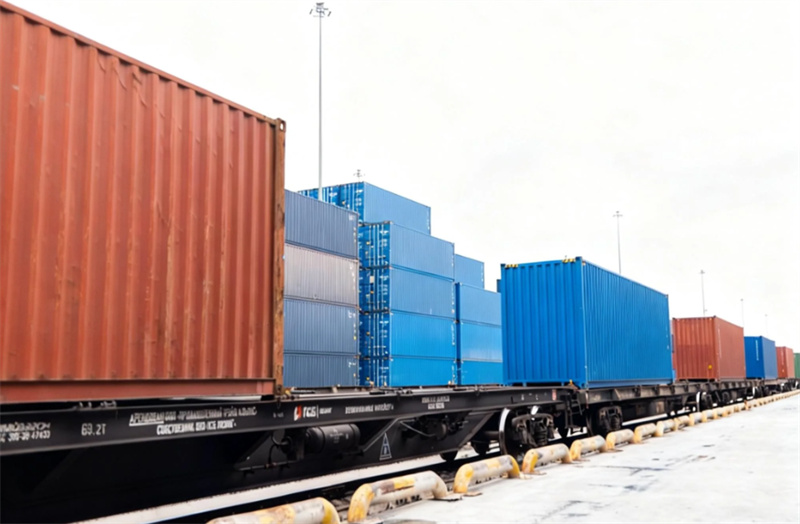
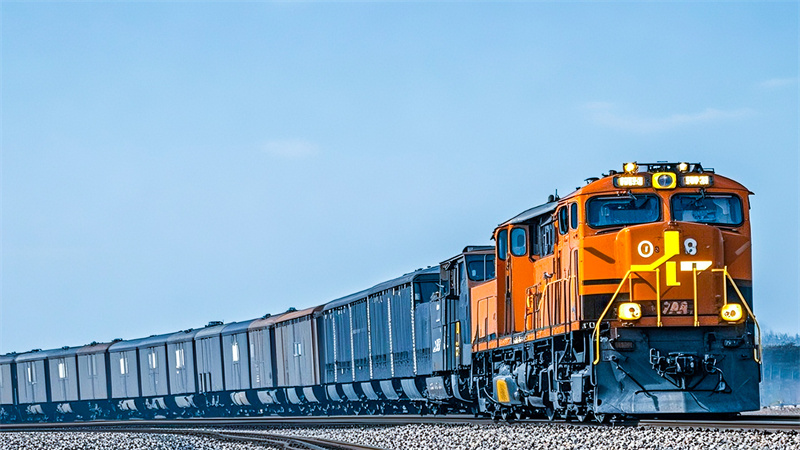
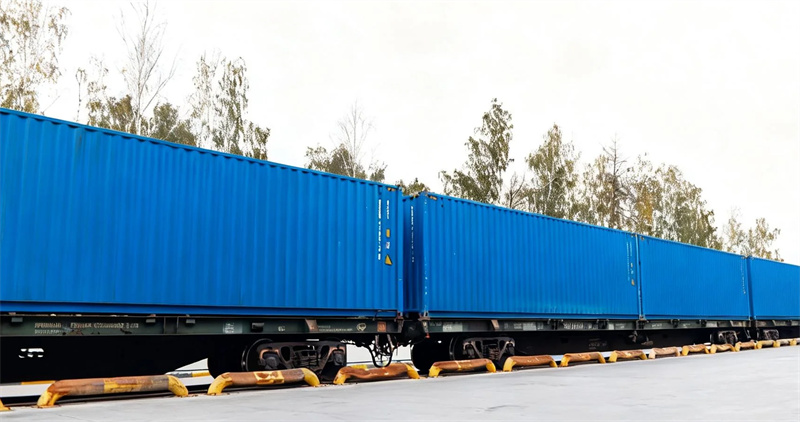
Customs clearance efficiency is closely related to the mode of transportation. With railway transportation as the core, SBTG has built a “transportation-customs clearance” coordination system. Railway transportation is highly stable and time-effective, providing favorable conditions for customs clearance planning. We synchronize railway waybill information to the customs clearance team before the goods are shipped, completing pre-declaration preparations in advance.
Connection plans are designed for different transportation scenarios: for bulk goods transported by main railway lines, pre-customs clearance review is completed in advance at border ports; for goods transported by “railway + ocean freight” combined transportation, special personnel are arranged to coordinate at the transit port to ensure seamless connection between ocean bills of lading and railway waybill information. Previously, a customer exported metalworking machine tools via China-Europe Railway Express. We completed the pre-review of customs clearance documents 3 days before the goods arrived in Russia, and the customs clearance was finished within 24 hours after the goods arrived at the port.
4. Local Empowerment: Resolving Cross-Border Communication Barriers
Smooth customs clearance in Russia is inseparable from local resource support. Language barriers and poor communication with customs are common pain points. When encountering inspections or classification disputes, a local team familiar with the process can respond quickly to avoid delays caused by misunderstandings.
SBTG has cooperative institutions in Moscow and St. Petersburg, combined with a bilingual operation center in Shanghai, to achieve linkage between China and Russia. When goods are inspected, the local team can assist in on-site unpacking and verification, clearly conveying goods information; when classification disputes arise, it provides compliant explanations based on professional knowledge. This local service capability gives us more confidence in dealing with unexpected situations and makes more than 400 cooperative enterprises feel at ease.
The core of Russian cargo customs clearance lies in forming a closed loop of policies, documents, transportation, and local support. With railway transportation as the core link, SBTG integrates customs clearance services into the entire process in advance, uses policy interpretation to grasp the direction, relies on document review to lay a solid foundation, and utilizes local resources to solve problems. It adheres to the core values of reliability, quality, and accountability. For enterprises developing the Russian market, choosing a professional logistics partner turns customs clearance from a problem into a guarantee. SBTG is willing to provide full-process services to help goods arrive safely and compliantly, contributing to China-Russia trade.