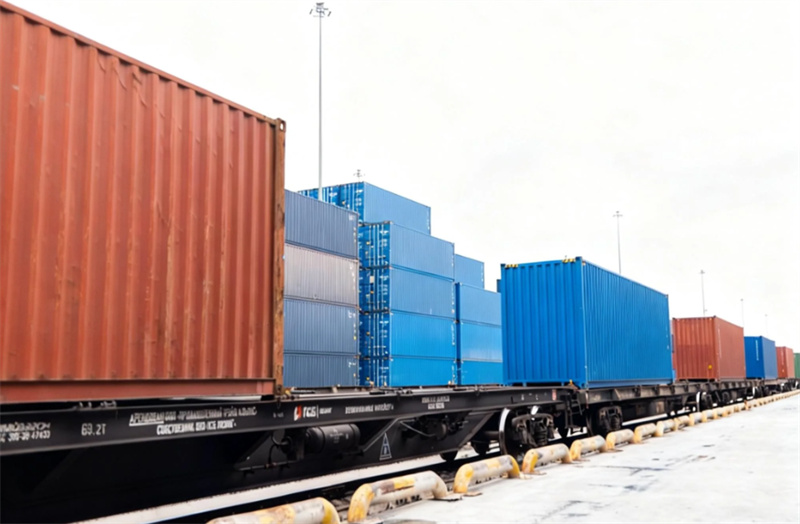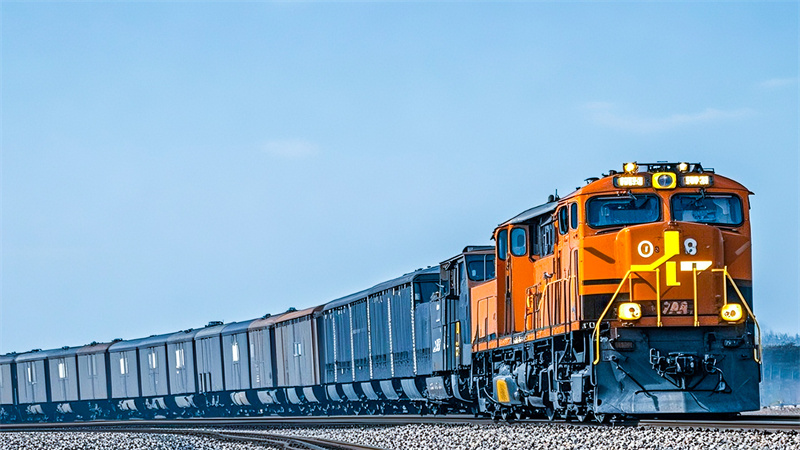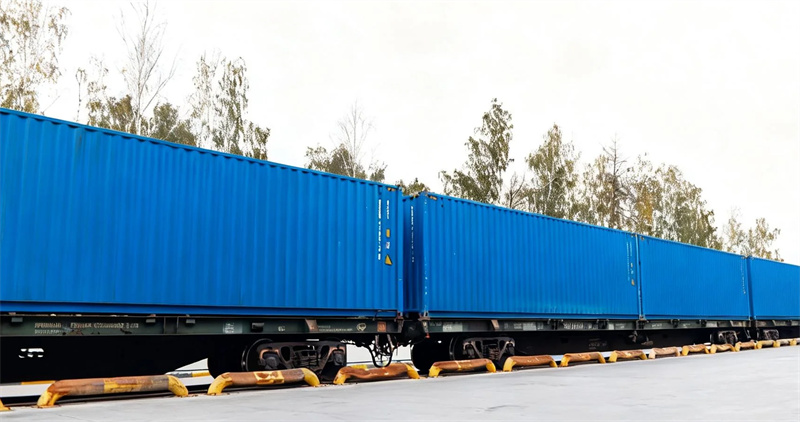



In 2026, China-Russia cross-border trade continues to deepen, and logistics costs have become one of the core factors affecting enterprise profitability. Especially against the background of obvious premiums in Russian container transportation, fierce capacity competition, and indexed adjustment of customs fees, many Chinese enterprises exporting to Russia have fallen into the predicament of logistics cost overrun. Problems such as unreasonable capacity selection, additional expenses caused by customs clearance errors, redundant losses in the transit link, and hidden charges, coupled with the lack of professional cost control experience of some enterprises, have led to a continuous rise in the proportion of logistics costs, squeezing enterprise profit margins and restricting overseas market expansion.
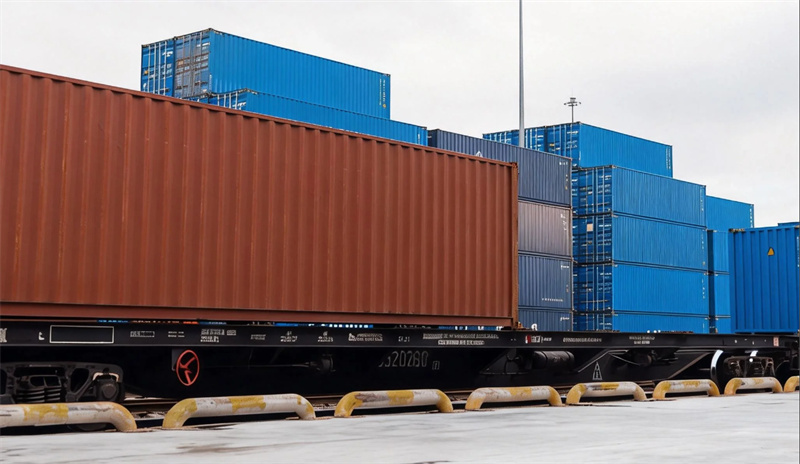
I. Analysis of Core Causes of Logistics Cost Overrun from China to Russia
Unbalanced Capacity Selection: Failure to match the optimal capacity according to cargo volume, category, and timeliness requirements, blindly choosing high-cost transportation methods, or failing to use low-cost channels such as TIR transportation, leading to high transportation costs; failure to lock capacity in advance during peak seasons, encountering temporary freight increases, further increasing expenses; lack of flexibility in a single transportation mode, unable to reduce costs by leveraging the advantages of multimodal transport.
Additional Losses from Customs Clearance Errors: Non-compliant documents, lack or invalidity of EAC certification lead to customs clearance delays and high port detention and warehousing fees; failure to leverage the dividends of China-Russia AEO Advanced Certification results in high inspection rates and prolonged review cycles, increasing labor and time costs; trusting low-cost commitments of gray customs clearance, subsequent fines and cargo detention, resulting in double losses.
Redundant Waste in the Transit Link: Unreasonable planning of transit routes within Russia, relying on multi-level transit, increasing transit fees and cargo loss costs; failure to connect with core distribution nodes, low sorting efficiency, resulting in additional warehousing and sorting fees; no exclusive plans formulated for transit to remote areas, redundant transportation routes, increasing unit transportation costs.
Blind Spots in Cost Control: Failure to pre-calculate full-chain logistics costs, neglecting hidden expenses such as customs fees, packaging reinforcement, and insurance; lack of a professional cost accounting team, unable to optimize procurement and logistics strategies based on market freight indexes, leading to passive cost control.
II. SBTG’s Exclusive Money-Saving Tips: Accurate Cost Reduction Across the Entire Chain
Cost Reduction Through Compliant Capacity Adaptation: Relying on scale advantages, integrate diversified compliant capacity from China to Russia, connect TIR transportation channels, and leverage the advantage of two-way TIR connection at ports such as Hunchun to achieve no transshipment and no unpacking inspection midway, simplifying processes while reducing transportation costs, and significantly optimizing costs for some routes; build a multimodal transport system of “sea + railway + highway”, accurately matching the optimal capacity according to cargo volume and category, avoiding waste on high-cost capacity; lock peak season capacity in advance, predict price trends based on market freight indexes, avoid the risk of temporary freight increases, and customize exclusive transportation plans for oversized cargo to reduce loss costs.
Cost Reduction Through Compliance and Loss Reduction in Customs Clearance: Relying on the advantages of China-Russia AEO Advanced Certification, enjoy benefits such as reduced inspection rates and deferred tax payment, reducing additional expenses such as port detention and warehousing fees; implement a three-document review system, pre-review document compliance and verify the validity of EAC certification, standardize the electronic declaration process, avoiding fines and repeated expenses caused by document errors; adhere to white customs clearance, pre-calculate customs fees and tariffs, accurately control customs clearance costs, and eliminate hidden risks and additional losses caused by gray customs clearance.
Cost Reduction Through Transit Optimization: Rely on digital scheduling systems to optimize transit routes from China to Russia, avoiding congestion nodes and redundant sections, shortening transportation mileage while reducing fuel consumption and labor costs; build a global transit network of “Chinese port – Russian core port – directly affiliated distribution center – destination”, establishing directly affiliated distribution centers in Moscow and St. Petersburg, reducing transit links and lowering transit fees; customize direct transit plans for remote areas, compressing transit cycles and costs relying on high-quality node resources in Russia, and optimizing cargo packaging plans to reduce cost waste caused by transportation losses.
Cost Reduction Through Full-Chain Cost Control: Establish a professional cost accounting team, accurately calculating full-chain logistics costs for enterprises based on Russian container freight indexes, clarifying the details of various expenses, and eliminating hidden charges; pre-plan logistics plans, optimize the connection between goods preparation and transportation, reducing warehousing costs caused by cargo backlogs; provide supplier verification services, establishing a whitelist for enterprises, avoiding cost losses caused by insufficient qualifications of partners, and integrating supporting services such as packaging and insurance to achieve large-scale cost reduction, helping enterprises maximize the compression of logistics expenses.
III. SBTG’s Professional Guarantee: Reducing Costs While Adhering to Compliance Bottom Lines
Compliance Qualification Guarantee: Obtains China-Russia AEO Advanced Certification, completes registration with the Federal Customs Service of the Russian Federation, and has compliant qualifications for all categories of freight, customs clearance, and transit. All cost reduction operations strictly comply with the regulatory requirements of both China and Russia, avoiding additional costs caused by compliance errors.
Professional Team Empowerment: Establishes a core team composed of cost accountants, customs clearance experts, and capacity planners, with 20 years of experience in Russia-bound logistics, familiar with cost optimization skills and market dynamics, providing customized cost reduction plans for enterprises combined with practical experience in multimodal transport and TIR transportation.
Resource Advantage Support: Establishes in-depth cooperation with Chinese and Russian customs, ports, and capacity institutions, obtaining preferential capacity and service prices relying on TIR transportation channels, multimodal transport systems, and scale advantages, and providing accurate cost control guidance for enterprises by monitoring market dynamics through freight indexes, achieving a balance between cost reduction, timeliness, and safety.
The core of logistics cost control from China to Russia lies in full-chain optimization under compliance. Blind pursuit of low prices is likely to fall into compliance traps, leading to additional expenses. Based in Shanghai and radiating the entire territory of Russia, SBTG provides professional and worry-free cost control services for more Chinese enterprises exporting to Russia, helping them reduce logistics costs, improve profit margins, and lay a solid foundation for logistics cost reduction in China-Russia cross-border trade.