


In 2026, China-Russia trade has entered a new stage of high-quality development, with a steady rise in international freight demand. However, the entire freight process involves complex links and increasingly strict policy controls. The Federal Customs Service of the Russian Federation has clearly implemented full coverage of electronic declaration, and paper customs declarations have officially withdrawn from the stage of history. Compliance requirements such as EAC certification and AEO mutual recognition have been further refined. Many enterprises frequently encounter problems such as non-compliant documents, cargo detention, lack of certification, and cost overruns in links such as goods preparation, declaration, transportation, customs clearance, transit, and signing for receipt due to unfamiliarity with the entire process operation specifications and failure to adapt to the latest policies in a timely manner, seriously affecting trade progress.
I. Preparatory Operations: Lay a Foundation with Compliance to Avoid Source Risks
Operational Points: Clarify the cargo category and compliance boundaries, complete accurate classification of HS codes, confirm the type of EAC certification (CoC or DoC) to be handled in accordance with the TR CU/TR EAEU technical regulations corresponding to the product; prepare complete Russian-version documents, ensure the completeness of information in commercial invoices and packing lists, mark core elements such as commodity name, quantity, and unit price, and keep consistent with payment vouchers; optimize cargo packaging to adapt to Russia’s low-temperature winter climate, strengthen protection for fragile goods, and affix compliant Russian labels and marks.
SBTG’s Support: SBTG’s special team assists enterprises in completing HS code classification, guides the distinction between application scenarios of EAC certificates of conformity and declarations of conformity, assists in connecting with EAEU officially authorized institutions to handle certification, ensuring that the certificate contains a dynamic QR code and is entered into the Union database; implements pre-review of documents, standardizes Russian translation and notarization processes, and identifies document loopholes; provides customized packaging solutions to avoid the risk of cargo damage during winter transportation, laying a solid compliance foundation from the source.
II. Declaration Operations at Chinese Ports: Standardize Filling to Ensure Smooth Departure
Operational Points: Strictly follow the new electronic declaration regulations, submit customs clearance materials through designated electronic systems, including customs declaration power of attorney, electronic freight documents, commercial invoices, packing lists, etc., truthfully fill in cargo information, and eliminate underreporting; apply compliant customs seals to containers, ensure that the seal number is consistent with the waybill, implement “one container, one declaration” for full containers, and LCL shipments shall be uniformly integrated and declared by professional institutions; cooperate with Chinese customs inspections to ensure consistency between goods and certificates and integrity of seals.
SBTG’s Support: SBTG holds a complete “Customs Declaration Unit Registration Certificate” and has obtained China-Russia AEO Advanced Certification. It quickly submits materials through the AEO exclusive declaration channel, enjoying review priority and preferential error tolerance rate for declarations; implements a three-document review system, accurately fills in declaration information, assists enterprises in completing the entire electronic declaration process; accompanies customs inspections throughout the process, promptly handles inspection abnormalities, and ensures smooth departure of goods.
III. Cross-Border Transportation Operations: Compliant Capacity to Accurately Meet Needs
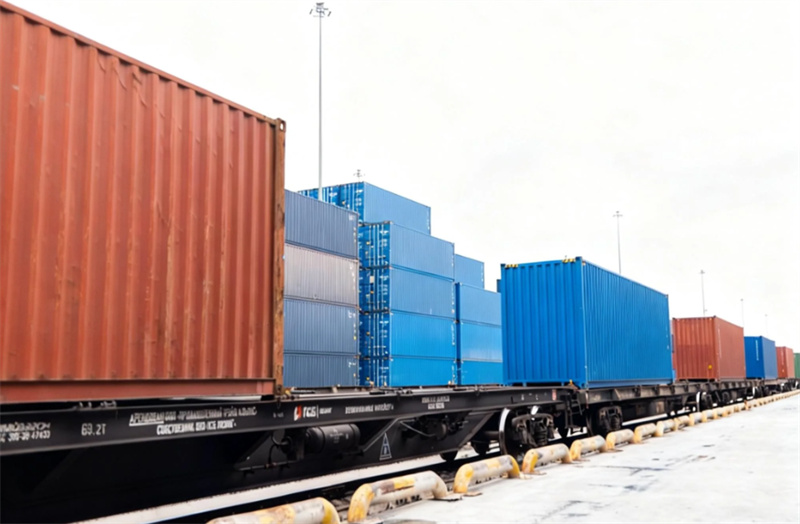
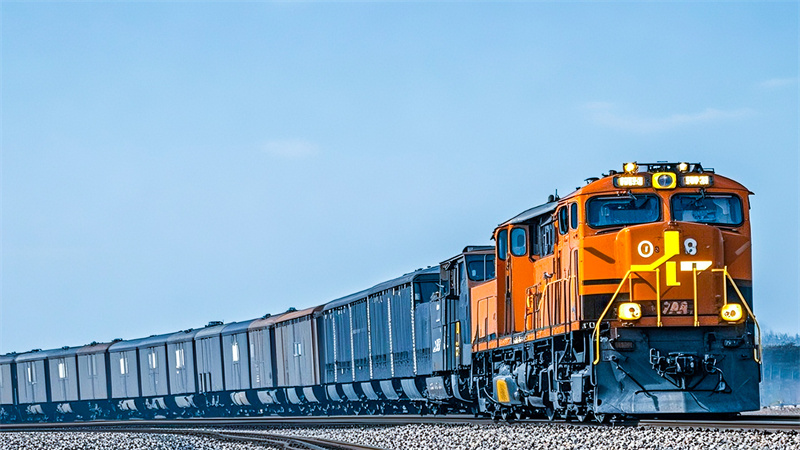
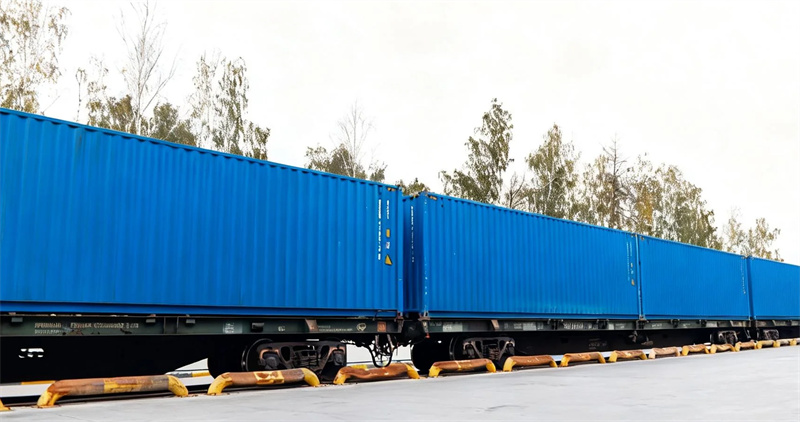
Operational Points: Choose suitable transportation methods such as sea, railway, and highway according to cargo volume, category, and timeliness requirements, and layout new channels such as the Arctic sea route and Tongjiang Bridge to avoid risks on the western route; road transportation must follow the new TIR regulations, select transport vehicles with compliant qualifications, and railway transportation must complete SMGS waybill pre-review; plan transportation routes in advance, connect with border port transshipment resources, and track cargo trajectory throughout the process to ensure transportation safety.
SBTG’s Support: SBTG integrates diversified compliant capacity from China to Russia, connecting China-Russia railway express, direct routes, and TIR trucking resources, and proficiently connects with new channel transportation services; all transport carriers have completed registration with both China and Russia, equipped with professional escort teams and temperature control and anti-freezing facilities; special personnel connect with capacity scheduling and port transshipment, and real-time feedback on transportation status through digital systems to ensure safe cross-border transit of goods.
IV. Russian Customs Clearance Operations: Professional Connection to Eliminate Detention Risks
Operational Points: After the goods arrive at the Russian customs territory, submit complete customs clearance materials, including EAC certification documents, Russian-version documents, certificates of origin, etc., truthfully declare cargo information, and pay taxes in accordance with the tariff standards corresponding to HS codes; cooperate with Russian customs inspections, focusing on verifying the consistency between goods and certificates, authenticity of certification, and compliance of labels, adhere to white customs clearance, and retain complete tax payment vouchers.
SBTG’s Support: SBTG has completed registration with the Federal Customs Service of the Russian Federation and established a senior customs clearance team, connecting with Russian customs throughout the process, submitting and pre-reviewing customs clearance materials in advance; relying on AEO certification advantages, the inspection rate is significantly reduced, and the convenience of deferred tax payment is enjoyed; accurately calculates taxes, assists enterprises in standardized payment, promptly responds to inspection needs, submits supplementary materials, and eliminates cargo detention and fines caused by compliance issues.
V. Inland Transit and Signing Operations in Russia: Full-Process Follow-Up to Protect Rights
Operational Points: After customs clearance is completed, initiate inland transit in Russia, plan the optimal route according to the destination, and formulate exclusive plans for remote areas in advance; after the goods arrive, notify the consignee to check the cargo status, complete the signing procedures, retain complete signing certificates, and promptly initiate the claim settlement process in case of damage, shortage, and other problems.
SBTG has built a transit network covering the entire territory of Russia, establishing directly affiliated distribution centers in core cities such as Moscow and St. Petersburg. After customs clearance is completed, transit services are directly initiated; the terminal delivery team connects with the consignee in advance, verifies the cargo status and assists in signing, and feeds back the signing certificate synchronously; introduces exclusive freight insurance, initiates claim review within 24 hours, and comprehensively protects the enterprise’s rights and interests.