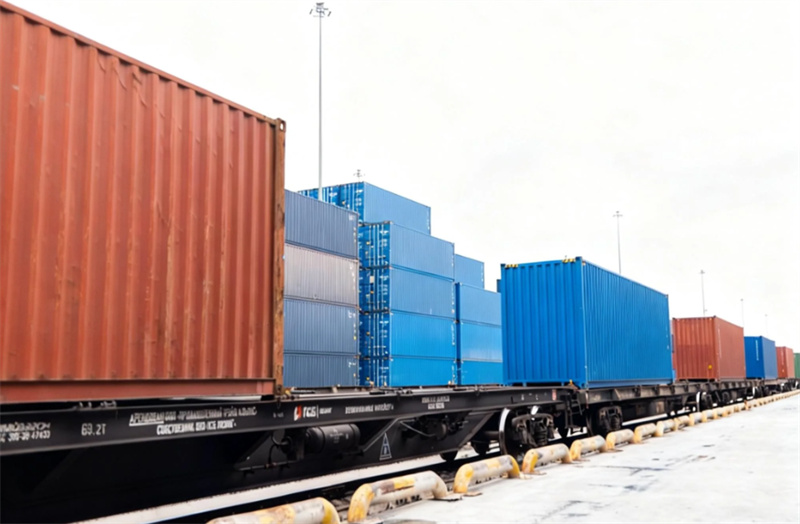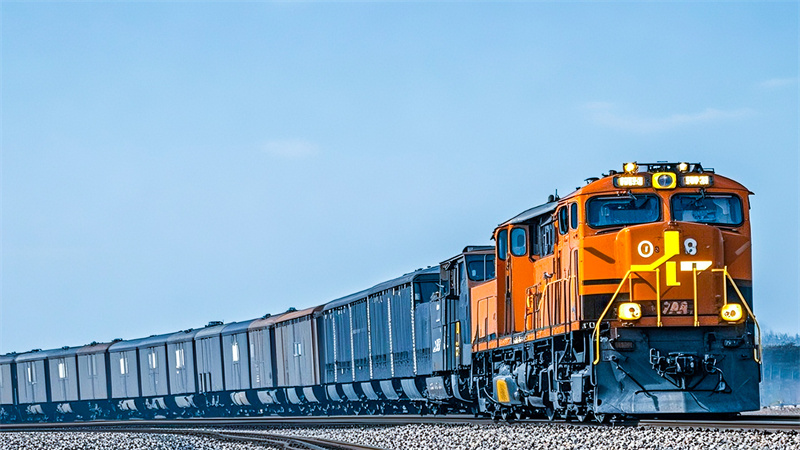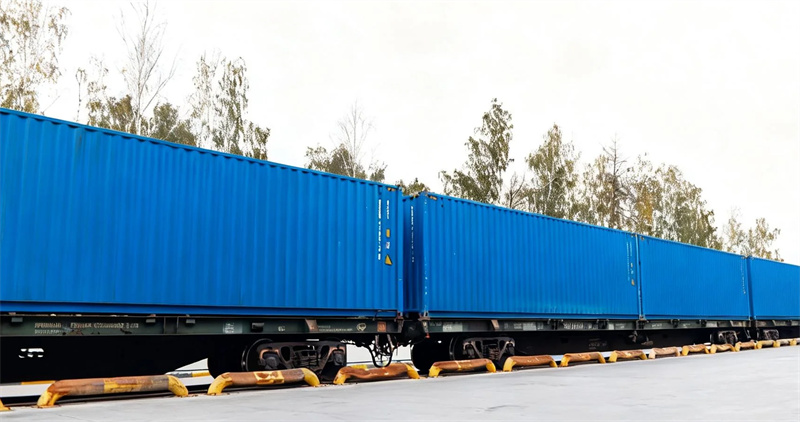



As a core hub in northwestern Russia, Saint Petersburg is not only a key node for China-Russia-Europe rail-sea intermodal transport but also an important distribution center for inland transit, undertaking the needs of cargo distribution and transit from the port to local and surrounding areas. Since 2026, affected by cargo flow diversion due to the closure of the Polish border, container accumulation at the Port of Saint Petersburg, and winter ice and snow road conditions, the volatility of inland transit time in the local area has intensified. Many small and medium-sized transporters have experienced a significant increase in cargo transit cycles due to lack of stable capacity and weak local nodes. For some batches of goods, the time from port arrival to urban distribution exceeded 7 days, and problems such as lost or damaged goods even occurred, seriously affecting enterprise order delivery.
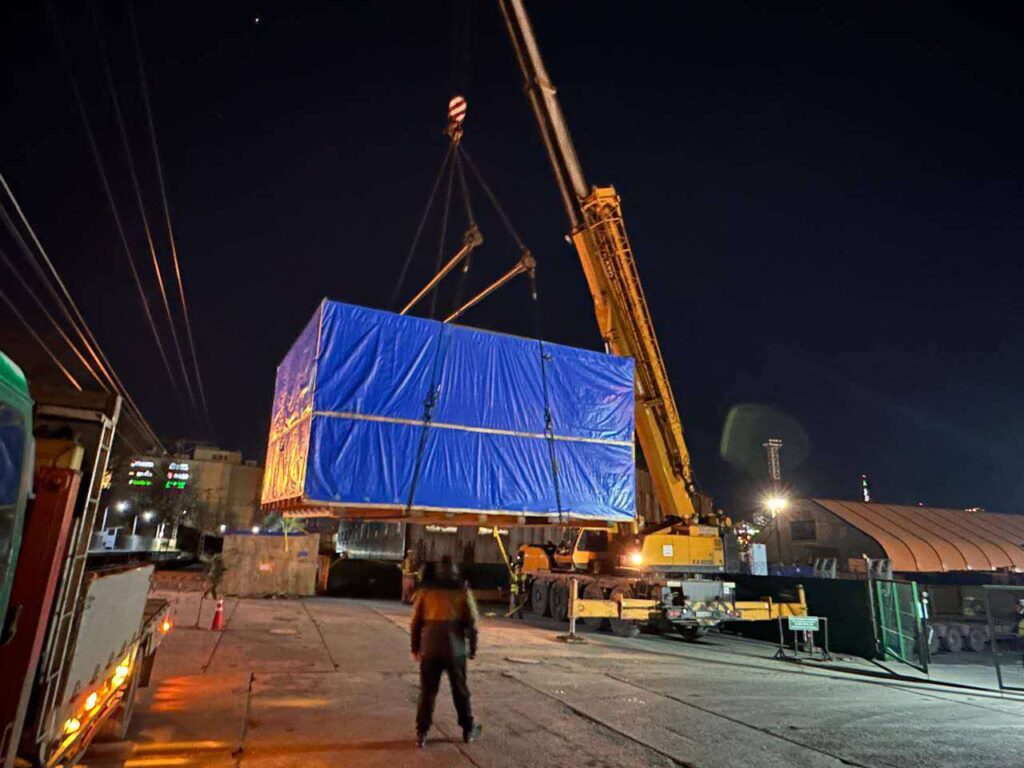
I. Core Pain Points of Inland Transit in Saint Petersburg: Three Problems Restricting Timeliness
Poor Port Connection: The Port of Saint Petersburg has a serious container backlog. Some transporters lack exclusive container pickup channels, resulting in long queuing times for container pickup after goods arrive at the port. Coupled with low document verification efficiency, it directly delays the start of transit.
Insufficient Capacity Adaptation: Road restrictions in downtown Saint Petersburg are strict, limiting the passage of large transit vehicles. In winter, ice and snow roads are prone to transport suspension. Most transporters lack compliant special capacity, making it difficult to adapt to different categories and timeliness needs.
Weak Local Nodes: Lack of directly affiliated distribution centers and emergency teams. Cargo distribution relies on third-party cooperation, resulting in redundant intermediate links. In case of abnormalities, rapid response is impossible, further extending the transit cycle.
II. Core Measures for Timeliness Guarantee: Four Dimensions to Build a Timeliness Defense Line
Exclusive Port Connection: SBTG has established in-depth cooperation with the Port of Saint Petersburg, opening exclusive container pickup channels. It completes document pre-review and information synchronization in advance, and finishes container pickup within 4 hours after goods arrive at the port, significantly shortening port detention time. Relying on the advantages of Saint Petersburg’s rail-sea intermodal transport, it connects with China-Europe Railway Express northbound resources to achieve seamless transit of goods from the port to the railway hub, adapting to cross-border distribution needs.
Accurate Matching of Compliant Capacity: Integrate compliant transit capacity in Saint Petersburg, equipped with small and medium-sized transit vehicles adapting to urban traffic restrictions and special vehicles for ice and snow road conditions. All vehicles have completed relevant registration in the Russian Federation and possess formal transit qualifications. Flexibly deploy full truckload and LCL capacity according to cargo volume, category and timeliness needs to ensure efficient transit.
Direct Control of Local Nodes: Establish a directly affiliated distribution center and operation team in Saint Petersburg, covering port surrounding areas and downtown core areas. After container pickup, goods are directly transported to the distribution center for rapid classification, sorting and delivery, avoiding delays due to third-party transshipment. The distribution center is equipped with professional warehousing facilities, providing temporary stocking services to adapt to enterprises’ batch delivery needs.
Accurate Control Through Intelligent Scheduling: Rely on independently developed digital scheduling systems to track Saint Petersburg’s road conditions, port container pickup progress and cargo transit trajectory in real time. Predict ice and snow road risks combined with weather forecasts and plan optimal transit routes in advance. Implement full-process traceability for transit, allowing enterprises to query cargo status in real time and predict delivery time in advance.
III. SBTG’s Exclusive Advantages: Professional Strength Supports Timeliness Implementation
Qualification and Policy Support: SBTG has completed registration with the Russian Federal Customs Service and obtained China-Russia AEO Advanced Certification. It is familiar with Saint Petersburg’s inland transit traffic restrictions, port supervision requirements and rail-sea intermodal transport connection specifications, ensuring full-process compliant operations and avoiding timeliness delays caused by policy risks.
Full-Chain Risk Control: Implement a three-document review system to verify documents related to container pickup and transit in advance, avoiding delays due to secondary verification caused by inconsistent documents. Introduce exclusive insurance for Saint Petersburg transit, covering core risks such as cargo damage, loss and timeliness delays, with clear compensation standards and claim review initiated within 24 hours.
Customized Timeliness Plans: Assign exclusive logistics consultants to tailor personalized transit plans according to enterprises’ cargo categories, delivery nodes and destinations. For urgent orders, open priority transit channels, coordinate exclusive capacity and container pickup resources to ensure on-time delivery; for bulk goods, optimize distribution processes to reduce unit transit costs.
The core demands of inland transit in Saint Petersburg lie in controllable timeliness, smooth connection and safety stability. Choosing a professional transit partner is the key to solving pain points. Shanghai SBTG deeply integrates 20 years of Russia-bound logistics experience with the characteristics of local transit in Saint Petersburg and the latest rail-sea intermodal transport resources. Through exclusive port connection, compliant capacity matching, local node control and intelligent scheduling, it achieves stable and controllable transit timeliness.