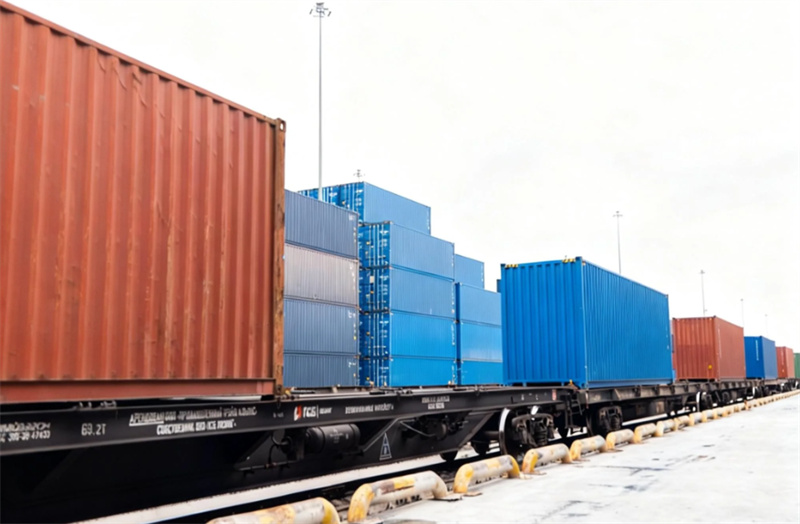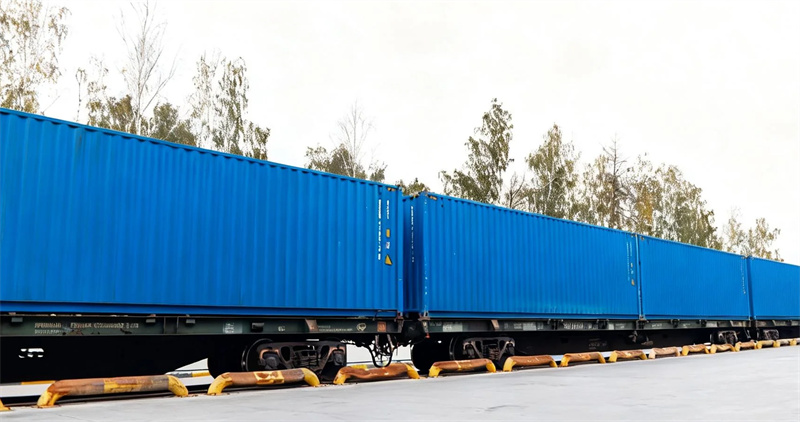



Food exports to Russia face strict regulatory barriers. In 2026, Russia continues its strict control policy on imported food, coupled with the entry into force of new Sino-Russian bilateral inspection and quarantine protocol rules. Lack of certification, non-compliant labels, and failure to meet quarantine standards have become major obstacles to customs clearance. Some enterprises not only bear high port detention costs but also miss opportunities in the Russian food market due to unfamiliarity with special processes. With 20 years of in-depth experience in Russia-bound food customs clearance, Shanghai SBTG accurately grasps the latest policy trends and details the core points of the entire customs clearance process, especially the key links of certification and declaration, helping enterprises achieve smooth customs clearance of food.
I. Preparatory Core: Establish Certification System to Lay a Solid Foundation for Customs Clearance
Essential Core Certifications: Complete corresponding certifications according to food categories. Ordinary food needs to obtain GOST-R certification, while special categories such as dairy products and meat require additional health and quarantine certificates recognized by Russia’s Federal Service for Veterinary and Phytosanitary Surveillance. For food involving imported raw materials, a quarantine certificate for the origin of raw materials must be provided to ensure compliance with Sino-Russian bilateral inspection and quarantine requirements. SBTG cooperates with certification institutions authorized by Russia’s Federal Service for Technical Regulation and Metrology, assisting enterprises in preparing application materials throughout the process, ensuring the compliance and validity of certification documents, and eliminating the risk of fake certificates.
Compliance of Production Enterprises: Production enterprises exporting food must complete registration and filing recognized by Russia, and some categories also need to pass registration with China’s General Administration of Customs. SBTG assists enterprises in sorting out production processes, rectifying them in accordance with Sino-Russian food safety standards, ensuring that production, processing, and storage links comply with the laws and regulations of both countries, and successfully passing qualification reviews.
II. Detailed Customs Clearance Process: Four Steps to Compliant Clearance
Cargo Preprocessing Stage: Complete packaging and labeling standardization as required. Outer packaging must be marked with information such as country of origin, production enterprise registration number, destination, and storage temperature in both Chinese and Russian; inner packaging must be affixed with compliant EAC marks and dynamic QR codes linking to the official testing database. Food labels must clearly indicate core information such as allergens, ingredient lists, and shelf life, and prepackaged food must also comply with Russian prepackaged food labeling standards. SBTG provides label compliance review services to correct flaws in advance.
Document Collation Stage: Prepare a complete set of customs clearance documents, including commercial invoices, packing lists, certificates of origin, certification certificates, and veterinary health certificates. Document information must be completely consistent; veterinary health certificates must indicate compliance with Sino-Russian bilateral protocol requirements and include official quarantine seals and seal numbers. SBTG implements a three-document review system, checking details page by page to ensure no information mismatch.
Declaration and Review Stage: Submit declaration information through the electronic customs declaration system, accurately filling in HS codes and cargo information. The declared value must comply with the “Russian Customs Valuation Agreement” and include costs such as transportation and insurance. SBTG has built an exclusive declaration system that seamlessly connects with the Russian customs system, completing pre-declaration 72 hours in advance to cooperate with customs in information verification.
Quarantine and Inspection Stage: Cooperate with Russia to complete on-site quarantine and sampling testing. Testing items include pathogenic microorganisms, heavy metals, veterinary drug residues, etc., and the results must meet the limit standards of both China and Russia. SBTG has set up a directly affiliated team in Moscow with professional Russian proficiency and quarantine communication experience. In case of inspection, they will quickly arrive at the scene to provide supplementary explanations, shortening the processing cycle.
III. Key Declaration Points: Control Details to Avoid Risks
Accurate HS Code Classification: Different food categories correspond to exclusive HS codes, which must be verified through the database on the official website of Russia’s Federal Customs Service, with dynamic tracking of code adjustments. SBTG has a professional classification team that accurately classifies based on food characteristics and processing technologies, avoiding tariff differences and cargo detention caused by code deviations.
Truthful Declaration of Quarantine Information: Clearly indicate information such as the source of food raw materials, production batch numbers, and storage conditions. For food of animal origin, detailed descriptions of breeding environments and quarantine conditions are required. SBTG assists enterprises in preparing supporting materials such as purchase vouchers and quarantine reports, avoiding in-depth inspections caused by false declarations.
Adaptation to Policy Dynamics: Timely track adjustments to Russian tariffs and VAT, distinguishing between tax rate differences for B2B and B2C orders. SBTG has set up a special policy team that updates food customs clearance policy bulletins monthly, assisting enterprises in accurately calculating costs and avoiding additional expenses caused by delayed policy information.
IV. SBTG’s Exclusive Guarantees: Full-Chain Compliance Support
Customized Solutions: Formulate exclusive transportation and customs clearance solutions according to food characteristics. Cold chain food uses temperature-controlled containers to ensure temperature compliance during transportation, with simultaneous processing of cold chain transportation qualification certificates. SBTG integrates high-quality cold chain resources to ensure the transportation safety of perishable food such as fresh produce and dairy products.
Risk Undertaking Mechanism: Introduce exclusive insurance plans for food, covering core risks such as customs clearance delays, failure to meet quarantine standards, and cargo damage, with claim review initiated within 24 hours. SBTG has rich experience in appeals and rectifications, assisting enterprises in formulating solutions in case of compliance issues to minimize losses.
The core of customs clearance for food exports to Russia lies in accurately grasping certification requirements and process details, and adapting to Sino-Russian bilateral regulatory norms. Shanghai SBTG deeply integrates 20 years of practical experience with the latest policies, controlling the entire process from certification establishment to declaration and clearance, and providing professional support for enterprises.