


When enterprises choose logistics, they often fall into the dilemma of “low-price traps” or “scheme mismatches”. At best, they face cost overruns; at worst, they encounter cargo detention and compliance penalties. With 20 years of deep experience in Russia-bound freight, Shanghai SBTG Logistics, combining the latest policy trends and practical experience, provides enterprises with a scientific logistics selection plan from three dimensions: policy adaptation, demand matching, and strength verification.

Step 1: First Check Policy Adaptation to Build a Solid Compliance Bottom Line
Verify the Compliance of Freight Forwarder Qualifications: Prioritize enterprises that have completed registration with the Federal Customs Service of the Russian Federation, hold a “Customs Declaration Agency License”, and confirm they have completed employment registration on the Goslog platform. SBTG not only has all the above qualifications but also passed the China-Russia AEO mutual recognition review. All transport vehicles have obtained the “Vehicle Approval Certificate”, fully complying with the latest TIR implementation rules. The registration information can be directly verified through the official website of the Russian Customs.
Evaluate the Ability to Respond to New Policies: Request the freight forwarder to provide response plans for policies such as electronic freight documents and cross-border parcel tax adjustments. SBTG has established a professional policy team to deeply interpret the details of Federal Law No. 140-FZ and pre-layout the electronic document declaration system. It can assist enterprises in accurately adapting to the rhythm of cross-border parcel tax adjustments, avoiding cost risks and customs clearance obstacles caused by policy changes.
Confirm Compliant Operation Processes: Strictly abide by the “Customs Code of the Customs Union” and establish a full-process traceability mechanism. SBTG implements a “three-document review” system. Every step from document preparation to declaration and customs clearance complies with the legal requirements of both China and Russia, eliminating gray operations and ensuring efficient passage of goods within the compliant framework.
Step 2: Then Match Your Own Needs to Accurately Lock the Plan
Choose a Plan Based on Cargo Category: Different categories adapt to different logistics models. For household appliances containing R404A/R410A refrigerants, SBTG applies for licenses in advance in accordance with standard cycles; for food products, it completes EAC certification and quarantine documents simultaneously; for mechanical products, it prepares non-military use certificates in advance; for e-commerce small parcels, it optimizes LCL resources to adapt to the “TIR + cross-border e-commerce” operation mode, accurately matching the requirements of Decree No. 1374 and relevant category supervision.
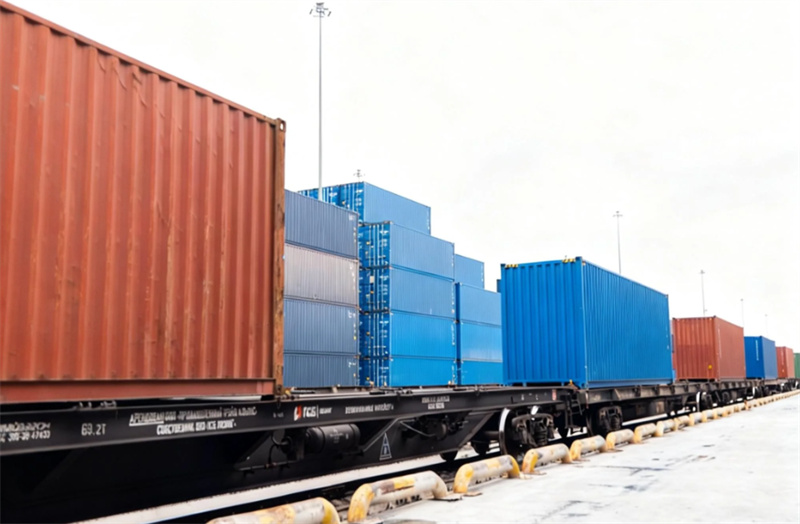
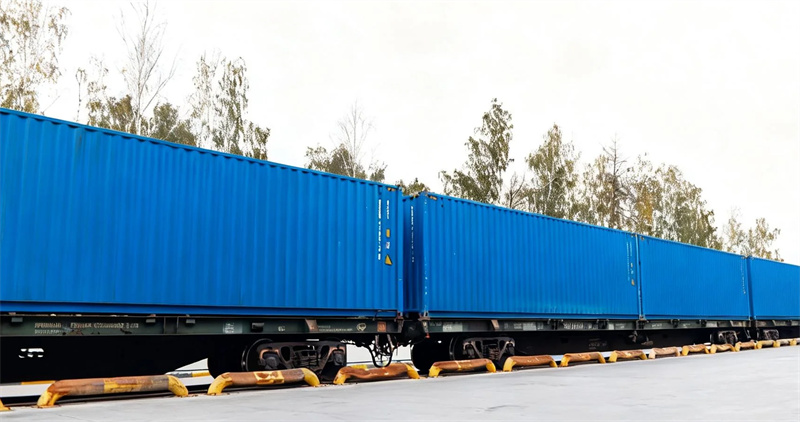
Determine the Channel Based on Timeliness and Cost: Select the transportation channel according to your own timeliness expectations and cost budget. SBTG integrates a diversified network of “railway + highway + sea transportation + Arctic channel”. Railway transportation ensures stability through fixed shipping space at core ports such as Manzhouli; highway transportation opens compliant TIR trucking routes to achieve fast customs clearance; sea transportation connects Far East ports to cover the entire territory; it can also rely on the policy optimization opportunities of the Arctic channel to provide new transportation solutions for eligible goods.
Select Services Based on Additional Needs: Choose a freight forwarder with strong supporting capabilities in combination with subsequent service needs. SBTG has laid out bonded warehouses in Moscow and Novosibirsk, supporting cargo transshipment, sorting and local delivery; it provides labeling and order synchronization services for e-commerce enterprises, adapting to the needs of platforms such as Ozon and Wildberries, and realizing the integrated connection of “transportation + value-added services”.
Step 3: Finally Verify Enterprise Strength to Avoid Cooperation Risks
Assess Resource Integration Capability: Confirm that the freight forwarder has stable transportation capacity and shipping space resources to cope with peak season fluctuations. SBTG has established long-term cooperation with mainstream Chinese and Russian airlines, railway departments, and port enterprises, locking in core resources. It can still guarantee stable shipping space during the peak freight season, avoiding transportation delays due to resource shortages.
Verify Digitalization and Emergency Capabilities: Prioritize freight forwarders with a full-chain visualization system. SBTG has built an exclusive digital platform directly connected to the Russian Customs system, realizing real-time visibility of cargo trajectory and customs clearance progress; it has established a direct emergency team in Moscow. In case of inspection, the team arrives at the scene within 1 hour to provide professional support, greatly shortening the problem handling cycle.
Confirm Costs and Risk Guarantees: Request the freight forwarder to provide a detailed quotation to eliminate hidden charges. SBTG implements a system of publicizing the cost list in advance, with each expenditure having a clear basis; it also introduces exclusive digital insurance plans covering core risks such as customs clearance delays, cargo damage, and policy changes, and initiates claim review within 24 hours.
The core of choosing logistics for export to Russia is to achieve a balance of “compliance, adaptation, and stability”. SBTG has deeply integrated 20 years of practical experience with the latest 2026 policy requirements, building a logistics service system covering all categories, all channels, and all scenarios. It fully meets the above selection criteria, making the logistics link of export to Russia worry-free and assured.