


MSMEs (Micro, Small and Medium Enterprises) often fall into a dilemma when exporting to Russia: small single shipment volume leads to high LCL costs, lack of professional teams to cope with complex customs clearance policies, omissions in certification and declaration easily trigger detention and fines, and hidden expenses in the transit link further compress profit margins. Coupled with Russia’s new electronic freight document policy in 2025 and employment registration requirements in 2026, the threshold for MSMEs to independently arrange logistics continues to rise. As a Shanghai freight forwarder with 20 years of deep experience in Russia-bound freight, Shanghai SBTG accurately matches the needs of MSMEs and creates an integrated cost-effective customs clearance + transit service of “controllable costs + compliance guarantee”, helping MSMEs lighten their burden to develop the Russian market.

I. Optimization of Customs Clearance Costs: Professional Operations to Avoid Waste and Risks
Precise Control of Certification Costs: In response to the capital pressure of MSMEs, a differentiated certification plan is launched. For ordinary categories, we assist in handling EAC declaration of conformity; for high-risk home appliances and mechanical products, we cooperate with certification bodies to simplify the process; for home appliances containing refrigerants such as R404A/R410A, we plan the license processing according to a 3-4 month cycle, and the compliance cost of a single shipment is stably controlled within the standard of 200,000 rubles, avoiding additional expenses caused by expedited processing.
Standardized Declaration for Cost Reduction and Efficiency Improvement: The “inspection before shipment” model is implemented. After the scattered goods of MSMEs are warehoused, customs declaration can be carried out immediately, and packaging and shipment are conducted only after the inspection is completed, completely solving the unpacking and repackaging costs caused by the traditional LCL model of “consolidation before inspection”. An exclusive declaration template is established to clarify the requirements for Russian labels, carbon footprint marks, etc., and a “three-review” system for documents is implemented to avoid secondary declaration costs due to document flaws.
Precise Capture of Policy Dividends: A policy interpretation team is set up to track the window period opportunities such as the Russia-Kazakhstan temporary cargo import policy in real time, helping MSMEs legally enjoy the policy convenience of import without EAES status and without “Honest Marking”. We adapt to the new electronic freight document policy in advance, enter transportation data into the Russian national information system, and avoid fines caused by delayed policy adaptation.
II. Compression of Transit Costs: Resource Integration to Maximize Cost-Effectiveness
Efficient Integration of LCL Resources: An operational LCL model is adopted to grasp full-process control. We accurately integrate scattered cargo sources of MSMEs according to cargo characteristics and destinations, implement the pricing rule of “charging based on the greater of actual weight or volume”, and publicly disclose details such as fuel surcharges and demurrage fees in advance to eliminate hidden costs. A clear free storage period is set in China to reduce the expenses of cargo storage and waiting.
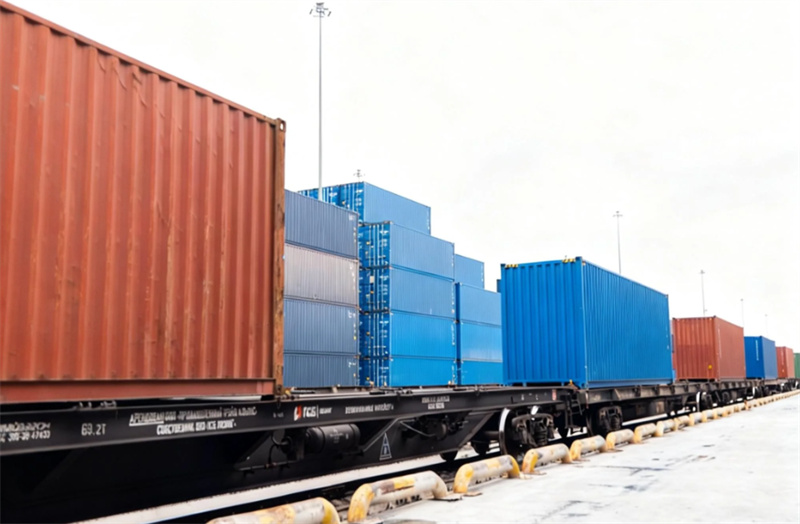
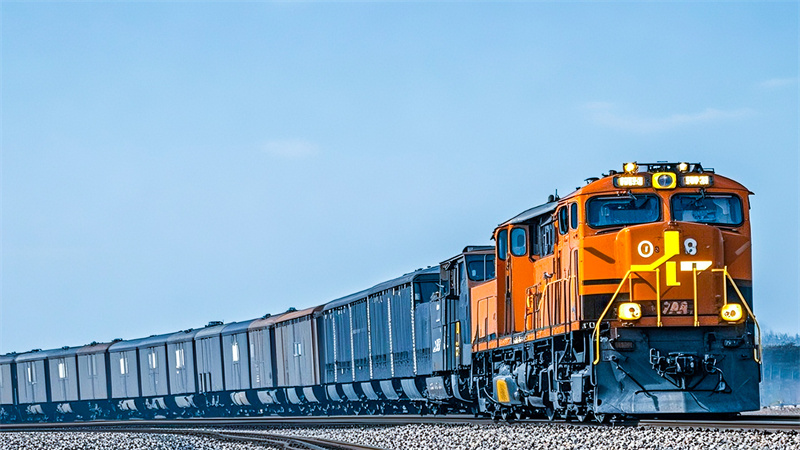
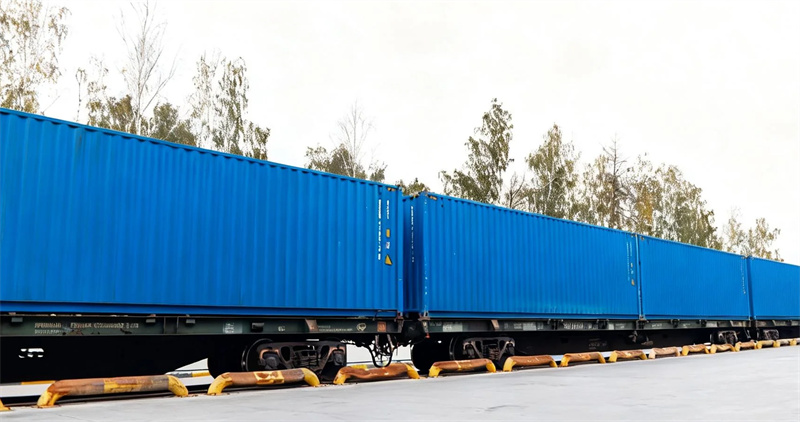
Route Optimization to Balance Cost and Timeliness: Integrate “TIR + core port” resources, focusing on promoting the Harbin-Moscow “TIR + 9610” channel and the Weihai-St. Petersburg TIR route. Relying on the advantage of the TIR Convention of “one inspection, worry-free throughout the whole process”, there is no transshipment or unpacking inspection midway. The transportation cost is more than 80% lower than air freight and 38% lower than traditional road transportation. Flexibly match railway LCL and sea LCL routes according to cargo volume, and provide graded timeliness options.
Control of Terminal Distribution Costs: Layout cooperative distribution warehouses in Moscow and St. Petersburg. After customs clearance, the containers are directly unpacked and delivered to avoid costs caused by multiple transshipments. Establish long-term cooperation with local Russian fleets, purchase transportation capacity in bulk to reduce unit transportation costs, and pass on the preferential dividends to MSMEs.
III. Exclusive Guarantee System: Stable Services Even at Low Costs
Digital Control for Cost Reduction and Efficiency Improvement: Build a lightweight visualized system to push real-time information such as customs clearance progress and cargo location. MSMEs can grasp logistics dynamics without additional investment. Introduce digital insurance services, customize low-cost and high-coverage insurance plans, covering core risks such as transportation damage and customs clearance delays, and realize online claim settlement.
Localized Emergency Support: The direct customs clearance team in Moscow responds 24 hours a day. In case of inspection, they quickly arrive at the scene to provide certification documents and professional explanations, shortening the processing cycle. For holidays such as the Chinese New Year, lock in shipping space and customs clearance resources in advance to ensure service continuity and avoid additional costs caused by suspension of transportation.
Value-Added Services for Long-Term Cooperation: Establish a long-term cooperation mechanism with MSMEs to provide bulk transportation discounts. Provide free supplier qualification verification services to help establish compliant whitelists and avoid risks from the source. Regularly push logistics cost optimization guides for the Russian market and share cost reduction experience accumulated in 20 years of practical operations.
The core of logistics for MSMEs exporting to Russia lies in achieving a balance between cost and compliance through professional services. Adhering to the concept of long-termism and the principle of zero compromise on quality, SBTG transforms complex customs clearance and transit processes into standardized, cost-effective services. We will continue to optimize LCL resources and route layout, deepen digital capabilities, so that MSMEs no longer have to worry about logistics costs and risks. SBTG is willing to become a “growth partner” for MSMEs exporting to Russia with professional freight forwarding capabilities, and help MSMEs steadily take root and continuously grow in the Russian market with cost-effective services.