


Against the backdrop of increasingly fierce competition in China-Russia trade, controlling transportation costs has become the key for enterprises to improve profit margins. Currently, enterprises generally face multiple cost pressures: daily waiting costs as high as 15,000 rubles due to border warehouse shortages, tax waste caused by improper transportation plans, and detention fines resulting from policy misjudgment. As a professional freight forwarder with 20 years of deep experience in Russia-bound freight, Shanghai SBTG has summarized a set of full-chain money-saving tips based on the latest industry policies and practical experience, helping enterprises achieve precise cost control and enhance their competitiveness in overseas markets with professional capabilities.

I. Pre-Planning: Avoid Hidden Costs from the Source
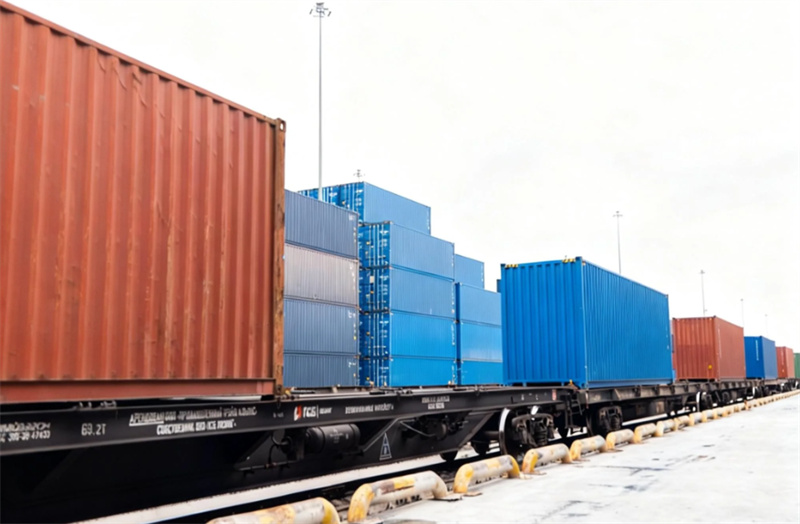
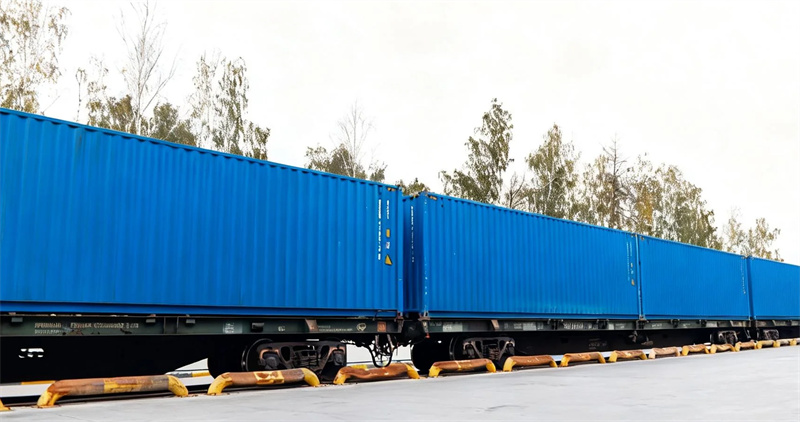
Precise Matching of Cargo Categories and Routes: Based on 20 years of experience, we have sorted out the list of prohibited/restricted cargo categories in Russia, and pre-screen prohibited goods such as Pu’er tea to avoid fines and return costs caused by cargo detention. We plan the optimal route for different cargo categories: for oversized cargo, we give priority to railway special trains, and use the China-Europe Railway Express freight stage settlement policy to deduct domestic section freight from the dutiable value, saving thousands of yuan in taxes per container.
Accurate Grasp of Policy Dividends: Timely adapt to the 2025 Russia-Kazakhstan temporary cargo import policy, and legally enjoy the window period for imports without EAES status and without “Honest Marking” to reduce certification costs. For household appliances containing refrigerants such as R404A/R410A, we plan the license processing in advance according to a 3-4 month cycle, avoiding additional costs caused by expedited processing, and stably controlling the compliance cost per order within the standard of 200,000 rubles.
II. Core Links: Professional Operations to Reduce Direct Costs
LCL and Shipping Space Optimization: Adopt an operational LCL model to master full-process control, accurately integrate cargo sources according to cargo characteristics and destinations, and avoid additional costs caused by improper mixed loading. Lock core shipping space in advance to avoid peak periods such as the Chinese New Year, use the price difference between off-peak and peak seasons to reduce freight expenses, and reserve alternative shipping space to cope with sudden price increases.
Refined Control of Customs Clearance Costs: Implement a three-level document review system to ensure accurate declaration information, avoiding rejection and re-declaration costs due to document flaws. Establish a directly affiliated customs clearance team in Moscow to quickly handle inspection matters, shorten customs clearance time, and reduce border warehouse waiting costs. Especially in response to the shortage of warehouses at Russian ports, we coordinate exclusive warehouse resources in advance.
Customized Insurance Plans: Introduce digital insurance services, customize exclusive plans according to cargo value and transportation risks, and avoid cost waste caused by over-insurance. Cover core risks such as detention and damage, realize online claim settlement, shorten the compensation cycle, and reduce capital occupation costs.
III. Long-Term Cooperation: In-Depth Collaboration to Achieve Cost Optimization
Establish Stable Cooperative Relationships: Form long-term cooperation with freight forwarders to enjoy price discounts and exclusive services for bulk transportation. SBTG provides supplier qualification verification services for long-term customers, helping them establish whitelists and reduce compliance risks and hidden costs from the source.
Empowerment by Digital Tools: With the help of a full-chain visualized tracking system, real-time grasp of cargo dynamics, pre-judge delay risks in advance, and adjust plans in a timely manner to avoid demurrage and port detention fees. Optimize transportation plans through data accumulation and continuously improve the accuracy of cost control.
Flexible Channel Switching: Fix core channels through Manzhouli and Erenhot, and reserve alternative channels through Ussuriysk and Belarus. Flexibly adjust according to port congestion and cost differences to avoid price increases and detention risks of a single channel.
Reducing transportation costs to Russia lies in professional pre-planning and full-chain refined control, rather than simply pursuing low prices. Adhering to the concept of long-termism and the principle of zero compromise on quality, SBTG will continue to integrate China-Russia logistics resources, deepen cost control capabilities, and allow enterprises to reasonably reduce transportation costs while enjoying professional services. SBTG is willing to become the “cost control partner” for enterprises exporting to Russia, helping enterprises gain an advantage in fierce market competition with professional strength and share the dividends of China-Russia trade development.