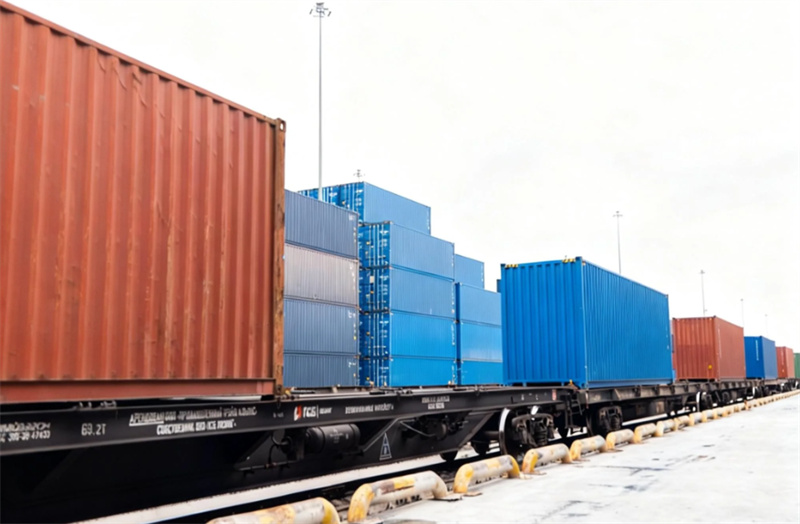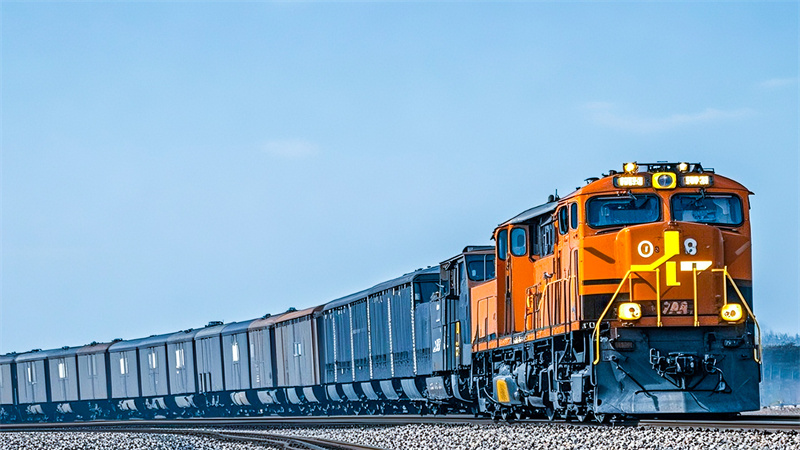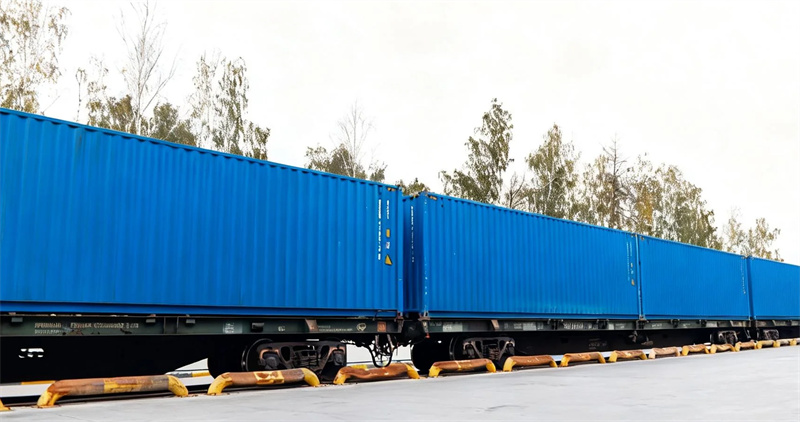



Demand in the segmented fields of China-Russia trade continues to upgrade. LCL (Less than Container Load) cargo has become the first choice for small and medium-sized enterprises (SMEs) to export due to cost advantages. However, the transportation pain points of the two types of cargo are completely different: oversized cargo faces problems such as difficult equipment adaptation, many route restrictions, and strict policy compliance; LCL cargo is plagued by chaotic source integration, slow customs clearance connection, and opaque costs. Coupled with Russia’s new electronic freight document policy implemented in September 2025 and the employment notice registration requirements taking effect in March 2026, the professional threshold for transportation has been further raised. As an export logistics company with 20 years of deep experience in Russia-bound freight, Shanghai SBTG has created exclusive customized solutions for the characteristics of the two types of cargo, resolving transportation difficulties with professional capabilities.
I. Customized Solutions for Oversized Cargo: Overcoming Difficult Transportation Barriers
Dual Adaptation of Equipment and Routes: For cargo such as 700-ton turbine generators and 1420-1426mm large-diameter pipelines, deploy professional equipment including Goldhofer THP modular semi-trailers and large flatbed special trains; conduct pre-survey of transportation routes, avoid high-risk sections such as Kurtuk in the southwest of Lake Baikal, conduct load-bearing assessments of bridges and tunnels, and formulate detour plans.
Policy and Compliance Preparations: Adapt to Russia’s new electronic freight document policy and enter transportation data into the national information system in advance; for oversized household appliances containing refrigerants such as R404A/R410A, plan the license application process according to a 3-4 month cycle and control the compliance cost at 200,000 rubles per order; prepare certificates of non-military use for dual-use materials in advance to avoid the control risks of Decree No. 1374.
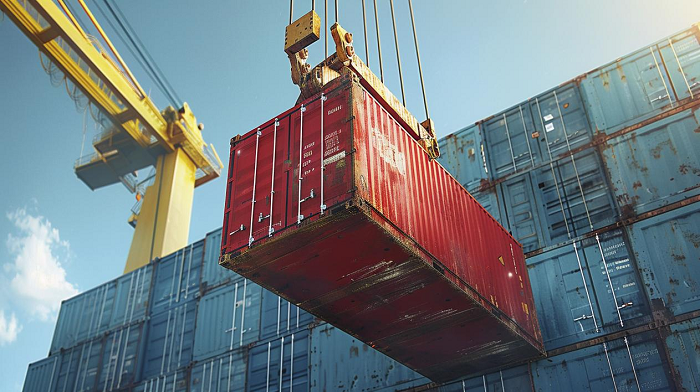
Exclusive Loading and Protection: Coordinate ports and terminals with oversized cargo loading qualifications and equip integrated loading ramps; customize shockproof, moisture-proof, and reinforced packaging according to the characteristics of the cargo, and purchase sufficient transportation insurance to cover risks throughout the loading and transportation process.
II. Customized Solutions for LCL Cargo: Achieving a Balance Between Cost and Timeliness
Cargo Source Integration and Transparent Pricing: Establish a standardized LCL cargo collection system and integrate cargo by characteristics and destination; implement the pricing rule of “charging based on the greater of actual weight or volume”, publicly disclose details such as fuel surcharges and demurrage fees in advance, and clearly set the free storage period in China to eliminate hidden costs.
Efficient Customs Clearance and Connection: Implement the “unified pre-declaration + separate batch customs clearance” model for LCL cargo, rely on the direct customs clearance team in Moscow to implement a three-level document review system, and adapt to the Russia-Kazakhstan temporary cargo import policy in advance; after the completion of customs clearance, quickly unpack the containers at distribution warehouses in Russia and connect with exclusive fleets for delivery to various destinations.
Risk and Timeliness Control: Build an exclusive tracking system for LCL cargo to push real-time status of cargo collection, container loading, customs clearance, and delivery; strengthen pre-screening in view of the complex variety of LCL cargo, prohibit the mixing of prohibited categories such as Pu’er tea, and avoid the risk of full container detention.
III. Full-Chain Common Guarantees: Building a Solid Defense Line for Transportation Safety
Dynamic Policy Adaptation: Set up a professional team to track new Russian customs regulations in real time and complete the 2026 employment notice registration in advance; for holidays such as the Chinese New Year, formulate a “pre-booking + emergency backup shipping space” plan to ensure transportation continuity.
Channel and Emergency Guarantees: Fix core channels through Manzhouli and Erenhot, and reserve alternative channels through Ussuriysk and Belarus to cope with port congestion; establish a 24-hour emergency response mechanism. In case of inspections or accidents, the local team will arrive at the scene quickly to handle matters such as document supplementation or claim settlement.
Digital Empowerment: Enable a visualized tracking system for the entire link to push transportation node information in real time; introduce digital insurance services to realize online processing of insurance application and claim settlement, shortening the claim settlement cycle.
The core of transporting oversized and LCL cargo lies in customized capabilities that accurately match needs. Adhering to the concept of long-termism and the principle of zero compromise on quality, SBTG deeply integrates 20 years of practical experience with the latest policy requirements to create exclusive solutions for the two types of cargo, allowing Russia-bound transportation of different types of cargo to find the optimal solution. SBTG is willing to become the “transportation planner” for enterprises exporting to Russia with professional customized capabilities, accompanying enterprises to move forward steadily in the segmented trade fields and share the dividends of China-Russia trade development.