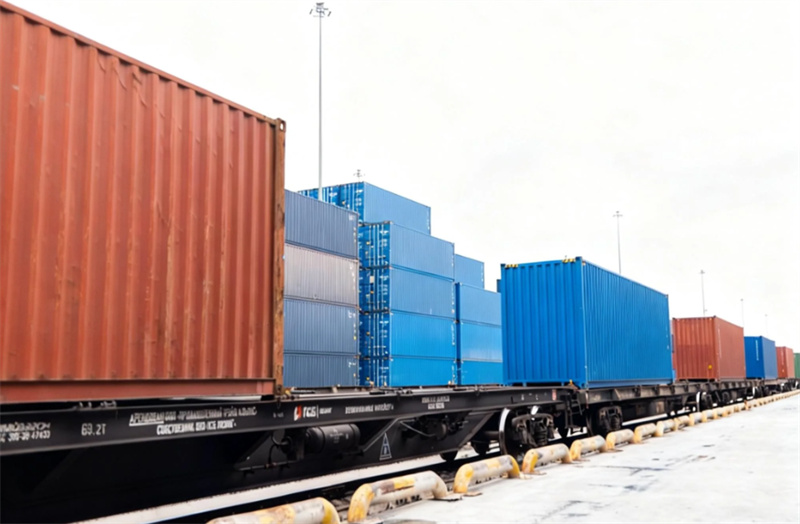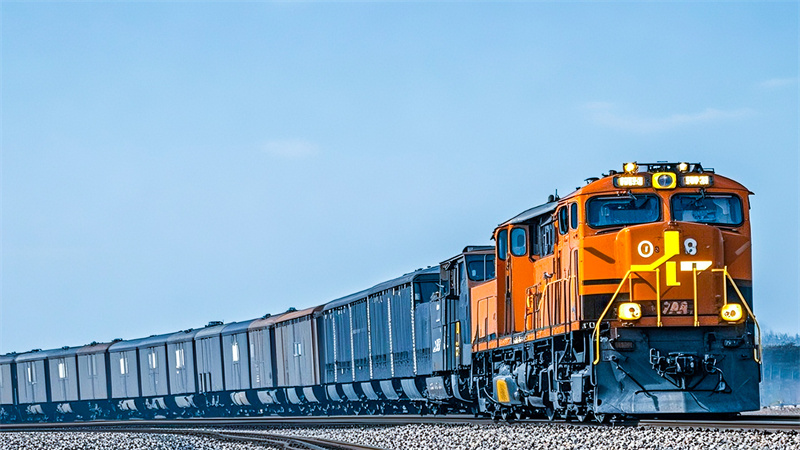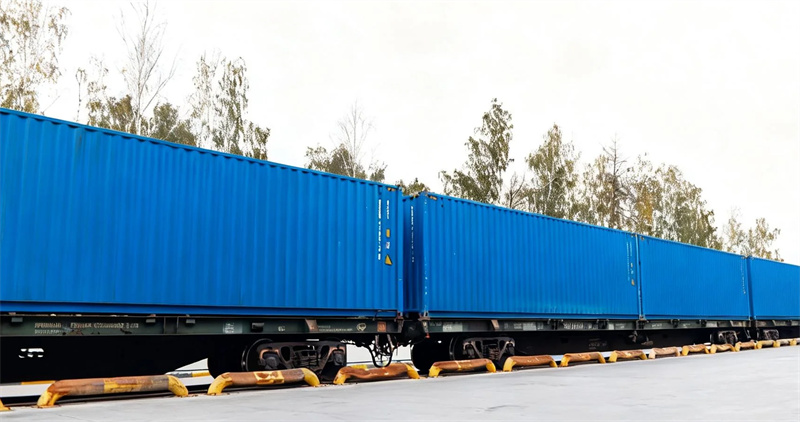



Behind the continuous expansion of China-Russia trade scale, the risk of cargo detention has become a major concern for enterprises going global. Meanwhile, Russian customs have tightened their control. In 2025 alone, thousands of containers were detained due to various issues, with some goods held for up to three months, directly causing enterprises to miss delivery deadlines and bear high compensation costs. From vague definition of dual-use materials (military and civilian), declaration information omissions, delayed policy adaptation to irregular transit customs procedures, various risk points interweave, making cargo transportation safety unpredictable. As a professional customs broker deeply engaged in Russia-bound freight, Shanghai SBTG accurately identifies the root causes of detention risks and builds a full-process prevention and control system to provide comprehensive escort for the safe customs clearance of goods.
I. Four Core Causes of Cargo Detention: Accurate Identification is the Foundation of Prevention and Control
Upgraded Policy Control: Russia issued Decree No. 1374 in October 2024, adding control over dual-use materials (military and civilian) including mechanical products, electronic products, and camouflage clothing, with a focus on inspecting electromechanical products with HS codes starting with 84. In 2025, the superposition of Russia-Kazakhstan temporary cargo import policy, new regulations on household appliance refrigerant licenses and other measures has made enterprises prone to triggering cargo detention if they fail to adapt in a timely manner.
Category and Declaration Omissions: Mistakenly transporting prohibited categories such as Pu’er tea and precious metals, or failing to prepare non-military use certificates in advance for dual-use materials like camouflage clothing; generally labeling “mechanical products” during declaration without filling in according to Russia’s detailed categories, which triggers strict inspections.
Irregular Transit Customs Procedures: Failing to go through transit customs formalities in accordance with the requirements of the Customs Union, lacking core documents such as TIR carnets, or failing to submit declaration materials within the specified time, resulting in temporary storage and detention of goods, with the longest temporary storage period reaching 4 months.
Insufficient Emergency Capabilities: Being unable to provide professional explanations in a timely manner when encountering customs inspections, lacking prediction of policy changes, failing to purchase sufficient insurance, making it difficult to recover economic losses after detention.
II. Hierarchical Prevention and Control Plan: Avoid Detention Risks from the Source
Pre-Risk Screening: Establish a dual-review mechanism of “category pre-screening + policy re-review”, clearly define the list of prohibited and restricted import categories, and identify risks related to dual-use materials in advance. For household appliances containing refrigerants such as R404A/R410A, plan the license application process with a 3-4 month cycle and control the compliance cost at 200,000 rubles per order.
Accurate Policy Adaptation: Form a professional policy interpretation team to track new Russian customs regulations in real time and proactively adapt to the requirements of Decree No. 1374 on electromechanical products and camouflage items. Regarding the Russia-Kazakhstan temporary cargo import policy, assist enterprises in legally enjoying the dividends of the policy window period and avoid irregular operations.
Standardization of Declaration and Transit Customs: Strictly and accurately fill in declaration information in accordance with Russia’s detailed categories, prepare complete documents such as commercial invoices and certificates of origin, and implement a “three-review” system. In accordance with the transit customs regulations of the Customs Union, apply for TIR carnets in advance to ensure the smooth flow of goods from border control points to the destination customs.
Channel and Resource Guarantee: Fix core channels through Manzhouli and Erenhot, and reserve alternative channels through Ussuriysk and Belarus to cope with the risk of tightened control at a single port. Establish a directly affiliated customs clearance team in Moscow, which is familiar with local inspection procedures and can quickly connect with Russian customs to handle various issues.
III. SBTG’s Exclusive Guarantees: Full Escort for Cargo Safety
1. Emergency Response Mechanism: Establish a 24-hour emergency team. In case of cargo detention or inspection, the local team arrives at the scene within 1 hour to provide professional explanations, assist in supplementing relevant certification materials, and shorten the processing cycle.
2. Digital Risk Control: Build a full-chain visualized tracking system to push real-time information such as declaration progress and inspection status; introduce digital insurance services covering risks such as detention delays and cargo damage, realizing online insurance application and claim settlement.
3. Experience-Enabled Services: Transform detention cases accumulated over 20 years of practical operations into prevention and control guides to provide targeted suggestions for enterprises; adhere to the concept of long-termism and the principle of zero compromise on quality, having served more than 400 enterprises and effectively reducing the probability of detention.
The core of safe shipments from China to Russia lies in the accurate prediction of risks and full-process control. SBTG disassembles various detention risks with professional capabilities and builds a prevention and control barrier with standardized plans and localized resources. Choosing SBTG is equivalent to purchasing a “safety guarantee” for cargo clearance. We will guard the smooth fulfillment of each batch of goods with professional strength, allowing enterprises to focus on their core businesses and steadily expand the market in China-Russia trade.