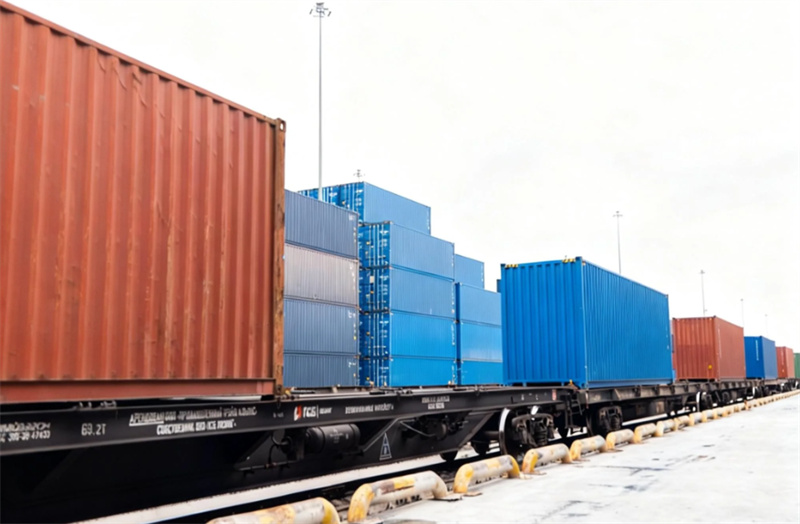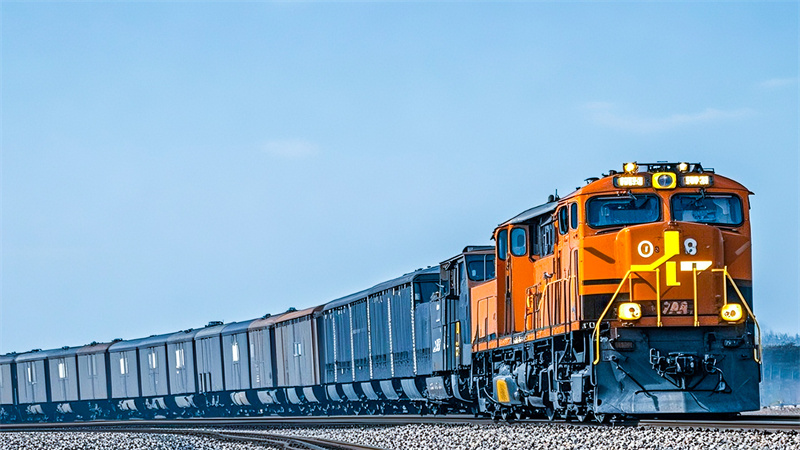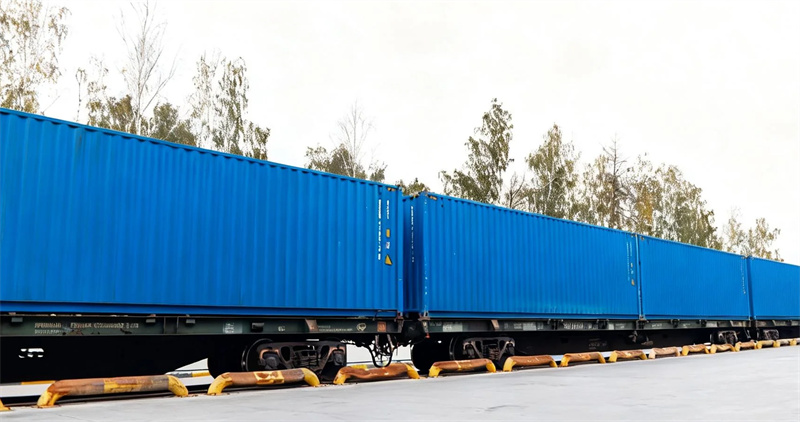



As the scale of China-Russia trade continues to rise, many enterprises face the dilemma of disconnection between customs clearance and domestic transit: cargo detention at ports due to defective customs clearance documents, increased warehousing costs caused by mismatches between domestic transit vehicles and customs clearance progress, and significant consumption of human and material resources in multi-link coordination. With 20 years of deep cultivation in the China-Russia freight field, Shanghai SBTG launches the integrated service of transit and customs clearance in Russia. Through process integration, resource integration, and compliance control, it achieves professional performance across the entire chain, solving the logistics connection difficulties for enterprises exporting to Russia.

I. In-Depth Process Integration to Unblock Connection Bottlenecks
Pre-Planning of Full-Chain Solutions: After receiving customer needs, synchronously formulate customs clearance declaration and domestic transit plans, clarifying the time connection schedule between customs clearance nodes and transit vehicle dispatching. Reserve entry time for domestic transit vehicles in advance during customs clearance, and plan routes according to customs clearance progress during transit, avoiding disconnection problems such as “customs clearance completed but no vehicles for transit” or “vehicles arrived but customs clearance not finished”.
Single Point of Contact Mechanism: Assign an exclusive project consultant to coordinate all links including customs clearance document review, Russian customs liaison, and domestic transit dispatching. Enterprises do not need to separately contact customs clearance agents and transit companies; all needs and questions are fed back through a single window, reducing communication levels and information deviations, and improving performance efficiency.
Real-Time Synchronization of Node Information: Establish a full-chain visualized tracking system, with real-time push of information such as customs clearance declaration status, customs inspection progress, and domestic transit vehicle location to customer terminals. When there are changes in nodes, inform customers in advance and adjust subsequent plans synchronously to ensure enterprises’ precise control of logistics progress.
II. Dual Support of Core Capabilities to Consolidate Professional Foundation
Localized Customs Clearance Strength: Set up a directly affiliated customs clearance service center in Moscow. The team is familiar with the 2025 temporary policies of Russian customs and new regulations on home appliance refrigerant licenses, implementing a “preliminary review – re-review – final review” system for documents. Handle special certifications in advance for restricted categories, and quickly arrive at the scene to provide professional explanations in case of inspections, ensuring smooth customs clearance.
Domestic Transit Network Layout: Establish distribution warehouses in core cities in Russia. Cooperating fleets hold complete transportation licenses, covering Moscow, St. Petersburg, and remote mining areas and industrial zones. For large oversized cargo, professional equipment such as Goldhofer THP modular semi-trailers can be deployed to meet transit needs.
Multi-Channel Collaborative Guarantee: Rely on key ports such as Manzhouli and Erenhot, and expand transit channels through Ussuriysk and Belarus. Flexibly switch customs clearance channels according to port congestion, and plan optimal routes for domestic transit, avoiding the risk of detention at the Russia-Kazakhstan border and reducing additional costs.
III. Scenario-Specific Customized Solutions to Cover Diverse Needs
Integrated Solutions for Large Equipment: Provide full-process services of “oversized permit handling – customs clearance declaration – professional transit – factory delivery” for large cargo such as industrial machine tools and infrastructure cranes. Survey domestic transit routes in advance to avoid restricted nodes such as bridges and tunnels, ensuring safe delivery of goods.
Exclusive Solutions for Sensitive Categories: Transport food cargo with cold chain containers, and handle hygiene certification and customs clearance declaration synchronously; act as an agent for import licenses for home appliance cargo, and directly connect with domestic cold chain or ordinary transit vehicles after customs clearance to ensure cargo quality and performance timeliness.
LCL Solutions for Small and Medium Batches: Integrate scattered cargo sources to realize LCL customs clearance and transit, reducing the customs clearance and transit costs of single consignments through bulk operations. After customs clearance, unpack the containers at domestic distribution warehouses, and then arrange precise transit according to different destinations, balancing cost and efficiency.
Adhering to the concept of long-termism and the principle of zero compromise on quality, SBTG has been deeply engaged in the China-Russia freight field for 20 years. With process integration capabilities, dual-core professional strength, and scenario-specific solution adaptability, it has provided integrated performance services for more than 400 enterprises. In the future, SBTG will continue to optimize the details of integrated services, deepen the layout of domestic transit networks in Russia, upgrade customs clearance policy adaptation capabilities, and provide more solid logistics support for more enterprises exporting to Russia. It will interpret the core value of Shanghai international freight companies with professional performance capabilities and contribute to the high-quality development of China-Russia trade.